


Zammad
Last Updated
Overview
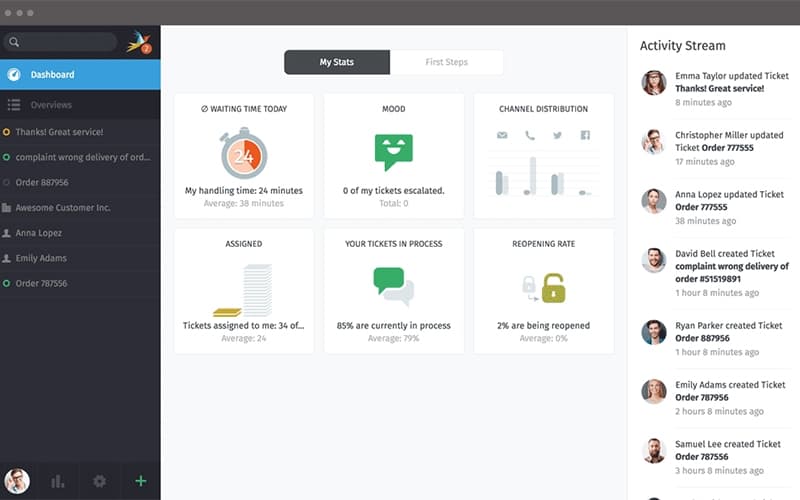
Zammad is a versatile customer service software built to centralize communication and simplify support workflows. While its advanced reporting requires a higher-tier plan, its open-source flexibility and intuitive interface empower teams to manage inquiries efficiently. Overall, Zammad's user-centric design makes it a compelling choice for modern helpdesks.

Zammad Specifications
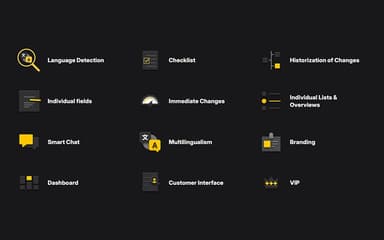
- Live Chat
- Omnichannel Support
- CRM Integration
- Canned Responses
Zammad Features
Ticket Management
Agents can easily merge, split, and link tickets to keep track of complex customer issues. The system provides a transparent history of every action taken, ensuring that no detail is lost. This organization allows teams to handle high volumes of requests without confusion or duplication of effort.
Knowledge Base
Reduce ticket volume by empowering customers to find answers through a smart self-service portal. The editor creates rich, searchable articles that can be categorized for easy navigation. This feature ensures that repetitive questions are answered instantly, freeing agents to focus on more critical tasks.
Multi-Channel Support
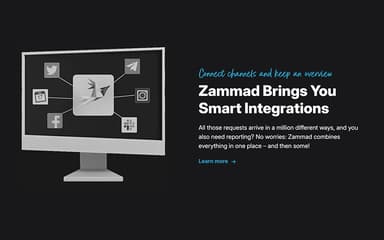
Connect various communication streams, including email, telephone, and social media, directly into one interface. This unification ensures that agents do not have to switch between different apps to reply to users. It provides a consistent support experience regardless of how the customer chooses to reach out.
Text Modules
Speed up response times by using pre-written snippets for frequently asked questions or standard greetings. These modules can be inserted into replies with a simple shortcut, ensuring consistency in tone and accuracy. It dramatically improves agent productivity by eliminating the need to type out repetitive explanations manually.
Core Workflows
Automate routine processes by setting up specific triggers and actions based on ticket attributes. This functionality allows administrators to define mandatory fields or dynamic screens depending on the selected group or category. It ensures compliance with internal procedures and reduces the likelihood of human error during data entry.
Pros And Cons of Zammad
Pros
Efficient tagging and ticket categorization
Unlimited businesses on open-source platform
Simple drop-down ticket status selection
Cons
Standard features can be implemented clunkily
Some configurations require command line interface
Zammad Reviews
Total 1 reviews
5
All reviews are from verified customers
Rating Distribution
5
Stars100%
4
Stars0%
3
Stars0%
2
Stars0%
1
Stars0%
Share your experience
Small-Business, N/A employees
“Smooth desk ticketing”
Pros
Managing support tickets has been much easier with this helpdesk solution. It connects well with tools like Slack, Microsoft 365 and webhooks and changing a ticket's status is simple thanks to the dropdown option. The system is user-friendly, includes plenty of features and the Slack integration is especially helpful.
Cons
At this point, I don't have any complaints. Everything has been working well for me.
Rating Distribution
Ease of use
9
Value for money
9
Customer Support
10
Functionality
10
Frequently Asked Questions
What level of support does Zammad offer?
Zammad offers expert support via email, phone, and ticketing system.
What types of pricing plans does Zammad offer?
Zammad offers hosted plans such as Starter at €7/agent/month, Professional at €17/agent/month, and Plus at €26/agent/month, alongside self-hosted packages including Business at €2,999/year, Enterprise at €5,999/year, and Corporation at €9,999/year. Get a detailed Zammad cost breakdown tailored to your specific requirements.
What language does Zammad support?
The platform interface supports 40+ languages.
Does Zammad offer an API?
Yes, Zammad does offer an API.
What other apps does Zammad integrate with?
It integrates with Slack, Microsoft 365, GitHub, Sipgate, Placetel, Checkmk, and Clearbit.
Does Zammad have a mobile app?
No, Zammad does not offer a dedicated mobile app.
Who are the typical users of Zammad?
Typical users include education, retail, IT, healthcare, gGovernment, and NGOs.