Last Updated
Key Takeaways
Generated from the text of customer reviews
Epic EMR is a cloud-based electronic health record system used by physicians, clinicians, and administrative staff. It serves large hospital systems, academic medical centers, and multi-specialty clinics. Users consistently note its strong interoperability for sharing patient data across systems. Common concerns include the system slowing down during heavy usage. Recently, Epic launched MyChart Central for unified patient portal access across providers.
Our Verdict
Epic EMR is a reliable option for mid-to-large healthcare organizations and hospital networks. It fits teams that require coordinated workflows and centralized patient records across multiple locations. Pricing can be high for smaller practices but provides long-term value for larger organizations. We recommend Epic for providers prioritizing care continuity and multi-department collaboration.
Overall Rating
Based on 516 users reviews
4.4
Rating Distribution
Positive
88%
Neutral
10%
Negative
2%
Starting Price
Custom
Epic EMR Specifications
Appointment Management/Scheduling
e-Prescriptions
Lab Integration
Patient Portal
What Is Epic EMR?
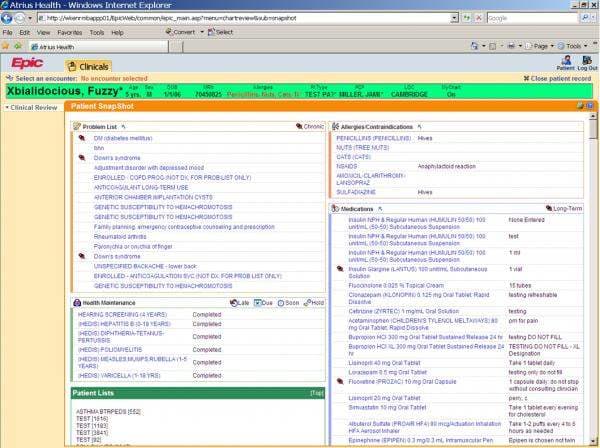
Epic software, a product of Epic Systems Corporation, is a cloud-based electronic medical records (EMR) solution designed for healthcare systems. It facilitates seamless interdisciplinary collaboration among care teams and offers several features to enhance patient engagement, including revenue cycle management and patient charts. The software centralizes complex EMR software solution, enabling clinicians to deliver exceptional patient care with enhanced effectiveness and efficiency.
In addition to its traditional on-premises setup, Epic offers Epic Garden Plot, a cloud-based Software-as-a-Service (SaaS) solution built for independent practices and smaller healthcare groups. Garden Plot provides access to Epic’s core EMR features without the need for heavy infrastructure or large IT teams, as hosting, maintenance, and updates are fully managed by Epic.
What Is Epic EMR Best For?
Epic EMR is best known for its strong Interoperability capabilities that allow healthcare providers to securely exchange and access patient information across different systems.
Features like Care Everywhere, Community Connect, Share Everywhere, and standards-based APIs help hospitals, clinics, and partner organizations share records, lab results, imaging, referrals, and billing data in real time.
This improves care coordination, reduces duplicate testing, streamlines referrals, and lowers administrative workload across the care continuum.
How Much Does Epic EMR Cost?
The pricing of Epic EMR typically starts at around $30,000 per year for smaller ambulatory practices and can exceed $200 million annually for large hospitals and enterprise health systems, based on publicly reported implementations and industry benchmarks. Costs vary significantly depending on factors such as organization size, number of users, selected modules, and support requirements.
The overall cost of implementing Epic EMR varies based on the size of the practice and number of physicians. Estimated first-year total costs include:
- Solo Or Small Practices: $150,000
- 15-Physician Practice: $600,000
- 25-Physician Community Health Center: $1,000,000
- 75-Physician Multi-Specialty Group: $1.9 million
- 500-Physician Hospital System: $80 million
In addition to the base core software cost, organizations should consider the following expenses:
- Data Migration And Legacy System Conversion: $1,00,000–$5,00,000 for mid-sized systems
- System Integration And Third-Party Interfaces: $15,000–$1,000,000 depending on complexity
- Infrastructure And Hardware Upgrades: $200,000–$1,000,000+ for on-premises setups
- Training And Staff Onboarding: $100,000–$1,000,000 annually based on team size
- Dedicated Support Staff: $150,000–$500,000 per year for IT and internal teams
Epic is generally viewed as a long-term, enterprise-level investment rather than a conventional per-provider SaaS solution. Organizations typically assess Epic costs holistically, recognizing that implementation, licensing, support, training, and integrations together determine the total investment.
Disclaimer: Pricing references are based on publicly available third-party information and industry benchmarks. Actual costs may vary.
Epic EMR Integrations
The software integrates with the following third-party applications:
- MyChart
- Ambara Health
- Artera
How Does Epic EMR Software Work?
Here's how you can navigate the dashboard and make use of the software's features:
- Log in and access the dashboard
- Set up user accounts and assign appropriate roles and permissions
- Customize the software to align with your organization's specific requirements by configuring settings, templates, and preferences
- Establish clear documentation and communication channels to resolve any issues encountered during the initial setup phase
- Enter patient data to ensure the accuracy and completeness of the information
- Create and configure patient schedules, appointments, and encounters to manage patient workflows
- Implement relevant modules and features, such as EMR, billing, medication management, or laboratory integration
- Collaborate with key stakeholders, including clinicians, administrators, and IT staff, to optimize workflows
Who Is Epic EMR For?
The software is designed for medical schools and healthcare organizations of all sizes, including independent practices and large hospital systems. The following medical specialists use the software:
- Oncologists
- Physicians
- Mental health professionals
- Ambulatory care
- Multi-specialty groups
- Rehab centers
- Transitional care
- Hospice care
- Retail clinics
Epic EMR Use Cases
Considering insights from current users and Epic EMR’s operational strengths, the following scenarios highlight where the platform delivers meaningful support for medical practices and hospital networks.
Multi-Location Hospital Systems Needing Centralized Records
Epic EMR works well for hospital networks operating across multiple locations that require consistent and accessible patient information. Its interoperability ensures records from different facilities are unified, helping clinicians maintain continuity of care and reduce duplication of tests.
Clinical Environments With Complex And Multidisciplinary Workflows
Epic EMR is well-suited for healthcare organizations that manage high volumes of patient information and rely on coordinated workflows across multiple clinical departments. Users note that the platform helps unify documentation, diagnostics, and treatment pathways, making it easier for teams to collaborate. Its ability to support intricate care processes is especially valuable in settings where several specialties work together on shared cases.
Practices Prioritizing Care Coordination Across Providers
Organizations that need tight collaboration among specialists, primary care physicians, and external partners benefit from Epic’s interoperability. For example, users in multi-specialty groups report smoother referral processes and faster information sharing, which helps reduce delays in treatment and improves patient outcomes.
Large-Scale Outpatient Clinics with High Patient Turnover
Epic EMR is a strong fit for busy outpatient clinics that manage numerous patient encounters daily. The system supports coordinated scheduling, documentation, and follow-up workflows, allowing staff to focus on patient interactions rather than administrative hurdles. Clinicians highlight its role in reducing missed appointments and improving operational efficiency.
Epic EMR User Sentiments
Most Positive Sentiments | Least Positive Sentiments |
|---|---|
Interoperability And Data Sharing | Extensive Training Needs |
|
|
Users consistently highlight Epic’s ability to connect multiple systems and facilities, allowing seamless access to patient records across locations. One of the users said: “Care Everywhere makes it so much easier to get patient history from other hospitals without delays.” | Some users report that Epic requires extensive training before staff become proficient. Its wide range of modules and complex workflows can make initial training time-consuming. |
Comprehensive Patient Records | Complex Interface / Information Overload |
|
|
Clinicians appreciate having a complete, centralized view of a patient’s medical history, which supports informed decision-making. | The volume of data and numerous modules can feel overwhelming to new users. One user said: “The interface is dense, and finding the right information quickly can be challenging.” |
Patient Engagement And Portal Access | Cost And Implementation Burden |
|
|
Healthcare providers find the patient portal effective for communication, appointment management, and sharing test results. | Organizations note that setup, licensing, and ongoing maintenance require significant investment. A reviewer commented: “Epic is expensive, and the implementation process is long and resource intensive.” |
Is Epic EMR Right For You?
If you are looking for cloud-based EHR software to facilitate communication among care teams, then Epic EMR is the right choice for you and your practice.
With its Meaningful Use Stages 1 and 2 certifications, it facilitates seamless interdisciplinary collaboration with patients and serves as management software for your practice as well.
Furthermore, It's HIPAA-compliant and ONC-certified. It protects patient data, maintains confidentiality, and upholds privacy regulations.
Additionally, the EMR system is highly scalable and designed for healthcare organizations of all sizes, including private practices and large hospitals.
Still unsure if this software is the best for you? Contact our customer support representatives at (661) 384-7070 if you have any software-related queries. We will answer all your concerns and help you analyze whether Epic EMR is the right choice for your healthcare organization.
Epic EMR Features
Epic’s practice management tools allow medical practitioners to handle tasks such as managing prescription refills and claims to optimize operations. For smaller practices, Epic Garden Plot offers these same tools via a cloud-based SaaS deployment, reducing the need for heavy IT infrastructure while still providing managed hosting, updates, and access to core EMR features.
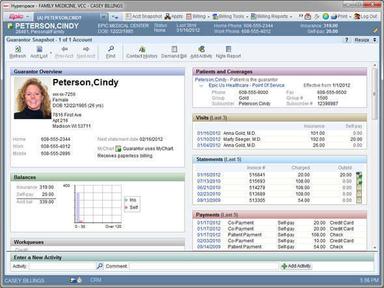
Epic EHR helps streamline billing, insurance claims, and financial data management within healthcare organizations. With Epic, medical practices can automate revenue cycle workflows to minimize paperwork and improve financial efficiency. Additionally, the platform offers online payment options to further simplify transactions for patients.
Using this feature, healthcare professionals can efficiently manage patient information. Medical providers can schedule and prepare for appointments, eliminating phone calls and front desk check-ins. The online check-in and automatic notifications inform users of earlier available appointments, enhancing the overall patient experience.
Epic enhances patient engagement by providing access to medical records and personal data via a self-service patient portal. Through Epic’s portal, patients can view their medical records, request prescription refills, schedule appointments, pay bills, and seamlessly communicate with healthcare professionals. This fosters collaboration and improves engagement and satisfaction.
Epic EMR empowers medical practitioners to leverage patient data and gain valuable insights from a patient’s medical history using Epic’s analytics tools. It allows healthcare organizations to generate comprehensive reports on medical and patient records for improved patient care, enabling them to make informed decisions about treatments. Furthermore, it allows clinicians to identify trends, patterns, and outcomes, leading to data-driven strategies within the healthcare system. This enables them to make informed decisions about treatments. Furthermore, it allows practitioners to identify trends, patterns, and outcomes, leading to data-driven strategies within the healthcare system.
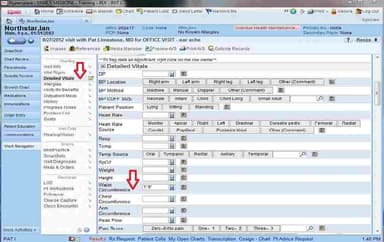
This functionality is an important component of the software’s practice management capabilities. It allows healthcare providers to document and manage detailed patient history, diagnoses, medications, and encounters in one place. With this, clinicians can quickly access complete patient records to make informed care decisions.