


Last Updated
Overview
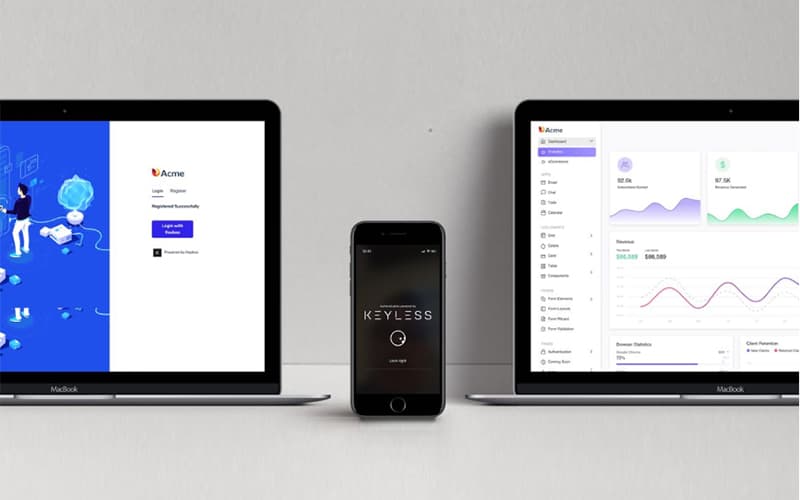
Keyless is a modern, privacy-preserving biometric authentication platform designed to eliminate passwords. Its innovative zero-knowledge biometrics approach enhances data privacy, though some users may find the initial setup complex. The platform delivers genuine identity assurance with multi-factor security, five times faster than competitors.
Be the first one to leave a review!
No review found

Starting Price
Custom
Keyless Specifications
- Multi-Factor Authentication
- Data Encryption
- Security Measure
- Firewall Protection
Keyless Features
User Enrollment
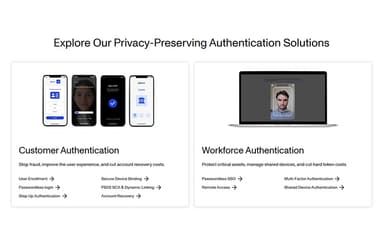
Keyless simplifies onboarding by securely enrolling users with minimal friction. It often requires no manual input, enabling fast adoption. This creates a smooth, secure experience while maintaining strong compliance and privacy standards.
Passwordless Login
Keyless eliminates the need for passwords, offering rapid and secure access. Authentication occurs within seconds using advanced biometric verification, significantly reducing credential theft risks while enhancing convenience for end-users.
Account Recovery
Keyless provides a secure account recovery process using biometric verification. It preserves privacy, reduces support dependency, and shortens downtime. This ensures continuity, maintaining high productivity for both users and organizations.
Passwordless SSO
Keyless offers password less single sign-on across applications, streamlining access while maintaining strong security. This reduces login fatigue, improves efficiency, and ensures consistent authentication standards across an organization’s digital environment.
Multi-Factor Authentication
Keyless delivers MFA in one step using device binding and biometric verification. It provides strong security while simplifying workflows, enabling rapid authentication without sacrificing usability or adding extra complexity for users.
Remote Access
Keyless enables password less, secure access to remote systems. It safeguards credentials, improves productivity for distributed teams, and reduces risk while maintaining consistent, frictionless access regardless of location.
Shared Device Authentication
Keyless allows secure authentication on shared devices without exposing credentials. This solution is ideal for kiosks and multi-user environments, ensuring privacy, convenience, and strong authentication in shared workflows.
Pros And Cons of Keyless
Pros
Camera authentication allows access across devices without entering passwords
Managing complex capabilities may require a stronger skillset
Cons
Managing complex capabilities may require a stronger skillset
Keyless Reviews

No reviews yet!
Be the first to review this product
Frequently Asked Questions
What other apps does Keyless software integrate with?
Details on integrations have not been specified by the vendor
Does Keyless software offer an API?
Keyless does not offer a traditional REST API but provides Mobile and Web SDKs, enabling deep integration of authentication flows into web and mobile applications.
What types of pricing plans does Keyless software offer?
Keyless utilizes a custom enterprise pricing model rather than fixed tiers. Request for a Keyless price breakdown to find the best plan for your needs.
Does Keyless software have a mobile app?
Keyless is not a standalone mobile application for users. It is an authentication service integrated directly into a client’s existing mobile app or website via Keyless SDKs. This embedded approach ensures a seamless and fully branded user experience.
What level of support does Keyless software offer?
Keyless offers a Support Center with End User and Integration Guides. Enterprise clients receive tiered technical support, including deployment assistance and ongoing system maintenance.
What language does Keyless software support?
The core biometrics and liveness detection are language-agnostic, while the front-end and documentation are mainly in English. SDK deployment allows customization for local languages.
Who are the typical users of Keyless software?
The software is designed for regulated and high-security industries, including banking, fintech, cryptocurrency, and government sectors. It is also utilized by large-scale enterprises in retail, gaming, and healthcare where secure, high-volume customer authentication is critical.