


Last Updated
Overview
Secureworks provides 24/7 managed detection and response through Taegis. However, initial tuning can be complex. Still, broad telemetry, responsive analysts, and identity, network, and vulnerability coverage help organizations reduce dwell time and improve incident outcomes.
Be the first one to leave a review!
No review found

Starting Price
Custom
Secureworks Specifications
- Firewall Protection
- Anti-Virus And Anti-Malware
- Threat Intelligence
- Vulnerability Management
Secureworks Features
Taegis XDR Analytics
Unified detection correlates signals from endpoints, networks, and clouds to reveal multi-stage attacks. Shared context improves triage and speeds containment, which helps teams act decisively when adversaries pivot across tools and identities in complex environments.
Identity Detection And Response
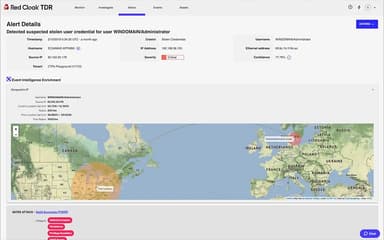
Behavioral analytics flag risky authentications, privilege escalation, and misuse of credentials. Early detection of identity threats helps prevent lateral movement and data theft while giving administrators clear guidance on mitigations.
Network Detection And Response
Traffic analysis highlights command-and-control beacons, lateral movement, and suspicious protocols. Visibility beyond endpoints surfaces hidden activity so analysts can isolate affected hosts and limit business impact during investigations.
Vulnerability Detection And Response
Automated discovery and prioritization of software and configuration risks guide patching plans. Focusing on the highest-impact exposures reduces attack paths and supports audit evidence that remediation is progressing as expected.
Pros And Cons of Secureworks
Pros
Broad, unified threat visibility
Responsive SOC and guidance
Strong alert correlation
Cons
Complex initial tuning
High alert volumes
Secureworks Reviews

No reviews yet!
Be the first to review this product
Frequently Asked Questions
Who are the typical users of Secureworks?
Users are from finance, education, manufacturing, healthcare, and public sector organizations.
What language does Secureworks support?
Secureworks software is available in the English language.
What types of pricing plans does Secureworks offer?
The vendor offers custom pricing for Secureworks. For a custom Secureworks cost, contact us.
Does Secureworks offer an API?
Yes. The vendor offers APIs for Taegis support integrations and automation.
What other apps does Secureworks integrate with?
Works alongside SIEM, EDR, and related tools. A detailed list of integrations is not disclosed by the vendor.
Does Secureworks have a mobile app?
No. The vendor doesn’t provide a mobile app for Secureworks.
What level of support does Secureworks offer?
Support is available via 24/7 support with analysts, phone, chat, a knowledge base, and customer portal access.