


Last Updated
Overview
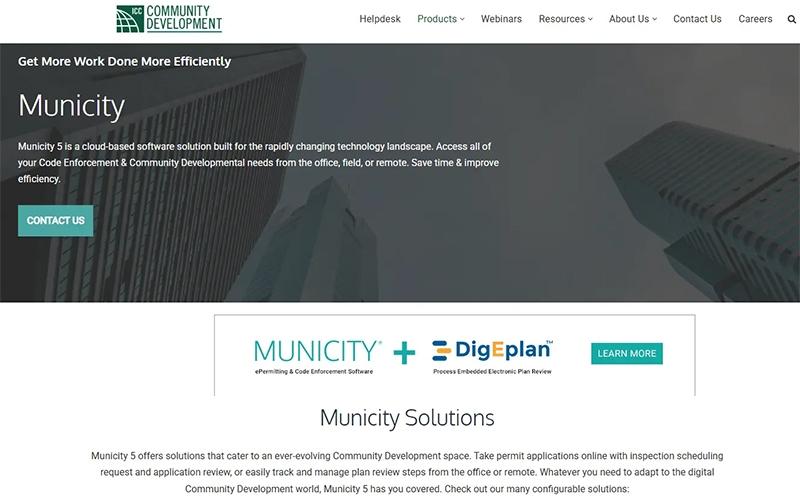
Municity teams can streamline code enforcement, permitting, inspections, and license management with Municity’s cloud-based tools. While advanced customization for niche workflows may be limited, the software provides centralized tracking, mobile inspection support, and online citizen portals. It is reliable for municipalities and community development departments managing multiple regulatory processes.
Municity Specifications
- Space Management And Planning
- Asset Lifecycle Management
- Maintenance Management
- Reporting And Analytics Dashboards
What Is Municity?
Municity is a cloud-based software solution designed for municipalities to manage code enforcement, community development, and licensing processes. It provides tools for permit application processing, inspection scheduling, violation tracking, license management, asset inspections, work orders, and remote virtual inspections. Users can access the system from the office, field, or remotely, and citizens can submit requests through an online portal.
Municity helps municipal departments streamline workflows, maintain compliance, track fees, and monitor project and asset status efficiently.
Municity Pricing
The Municity price plan is estimated to be between $5,000 and $30,000/year, according to industry benchmarks for municipal permitting, code enforcement, and community development software. Smaller municipalities often pay around $5,000–$15,000 annually for a cloud‑based bundle of core modules, while larger implementations with more departments and usage can reach $20,000–$30,000/year, depending on user count, number of modules, and customization needs.
In addition to the base subscription costs, organizations should account for the following expenses:
- Implementation services: $10,000 – $75,000 including system setup, configuration, workflows, and initial training.
- Data Migration and conversion: $5,000 – $25,000 for legacy data import, cleanup, and conversion.
- Training and change management: $2,000 – $15,000 for staff onboarding and administrator setup.
- Integrations: $5,000 – $50,000 for connecting with financial systems, GIS, or other enterprise software.
- Annual support: Costs vary based on chosen modules and level of support.
Disclaimer: Pricing references are based on publicly available third-party information and industry benchmarks. Actual costs may vary.
Municity Integrations
The software supports integration with multiple systems and platforms, such as:
- Laserfiche®
- BlueBeam
- Parcel Updaters
Who Is Municity For?
Municity is ideal for a wide type of organizations, including:
- Municipal governments
- County governments
- Local building departments
- Public safety agencies
- Community development offices
- Planning and zoning boards
- Inspection units
Is Municity Right For You?
Municity is ideal for organizations managing permitting, planning, inspections, and code enforcement in municipal and local government settings. Its cloud-based modules offer mobile field access, citizen portals, and secure data management. The software scalability allows deployment across multiple departments, while integration with International Code Council standards supports regulatory compliance.
With a track record of existing municipal clients, Municity provides a reliable solution for streamlining community development and government workflow operations.
Still doubtful if Municity is the right fit for you? Connect with our customer support staff at (661) 384-7070 for further guidance.
Municity Features
Work Orders And Maintenance Management
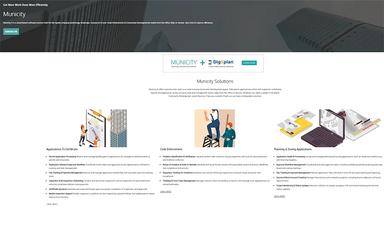
The platform allows creation, assignment, and tracking of both one-time and recurring work orders for municipal infrastructure. It provides tools for logging materials, labor hours, and resources, ensuring accurate record-keeping. Recurring maintenance can be scheduled and monitored, while dashboards and notifications offer visual progress tracking and timely reminders.
Asset Tracking And Inspection Scheduling
This feature helps register and manage municipal assets, including signs and park equipment, with detailed information. Recurring inspections can be scheduled and tracked to maintain safety and compliance. Customizable checklists document inspection results, and visual dashboards allow monitoring of asset status. Bulk notifications and mobile support keep field teams updated and ensure inspection tasks are completed efficiently.
Code Enforcement
The system supports identification and logging of code violations across properties, with full documentation and evidence collection. Notices of violation and orders to remedy can be generated with clear instructions and deadlines. Follow-up inspections and ticketing, including court case management, are tracked to ensure compliance and resolution.
Planning And Zoning Workflow
The platform facilitates intake and processing of planning and zoning applications, including variances, subdivisions, and rezoning requests. Approval workflows are coordinated and documented, supporting meetings and review tasks. Fee tracking, escrow, and bond account management provide financial oversight.
Virtual Inspection
Municity software enables virtual inspections for permits, parcels, and applications with secure video integration. Inspectors can conduct live inspections, record media automatically, and archive it for future reference. The system stores all inspection photos, videos, and notes directly in the records, supporting compliance documentation.
Pros And Cons of Municity
Pros
Streamlined workflow for multiple departments
Centralized dashboards and reporting
Cloud-based access from any device
Cons
Feature compatibility can vary across categories
May lack consistent dedicated support
Municity Reviews
Total 1 reviews
5
All reviews are from verified customers
Rating Distribution
5
Stars100%
4
Stars0%
3
Stars0%
2
Stars0%
1
Stars0%
Share your experience
Joseph W.
Public Safety, 1-10 employees
Less than a year
“highly customizable”
Pros
Its versatility really stands out, along with the strong integration options and the level of customization it offers.
Cons
Getting everything set up at the beginning took some effort and there were a few bugs that came up along the way.
Rating Distribution
Ease of use
9
Value for money
10
Customer Support
10
Functionality
9
Frequently Asked Questions
Who are the typical users of Municity?
Municity features are used by types or organizations, including county governments, local building departments, municipal governments, community development offices, planning and zoning boards, public safety agencies, and inspection units.
Does Municity offer an API?
No, Municity does not offer an API.
What level of support does Municity offer?
Municity offers support through phone and email.
What other apps does Municity integrate with?
Municity supports integration with BlueBeam, Laserfiche®, and Parcel Updaters.
What language does Municity support?
Municity primarily supports English.
What types of pricing plans does Municity offer?
The pricing of Municity is estimated between $5,000 and $30,000/year, with smaller municipalities typically paying $5,000–$15,000 and larger deployments reaching $20,000–$30,000, depending on users, modules, and customization. Get a detailed Municity cost breakdown tailored to your specific requirements.
Does Municity have a mobile app?
No, Municity does not offer a dedicated mobile app.