

Last Updated
Overview
SLM enables process and functional safety teams to manage HAZOP, LOPA, BowTie, SIS design, and SIL verification through centralized workflows, dashboards, reporting, MOC, and action tracking. Although initial setup can take time, it suits multi-site industrial operations that require consistent safety lifecycle control. Overall, it delivers reliable, structured risk management.
Be the first one to leave a review!
No review found

Starting Price
Custom
SLM Specifications
- Compliance And Safety Management
- Incident/Event Tracking
- Asset Lifecycle Management
- Mobile Accessibility
What Is SLM?
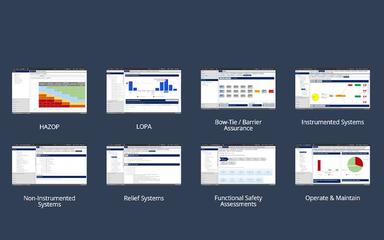
SLM is a software platform designed for organizations managing process and functional safety across industrial facilities. It provides interconnected modules covering the full Safety Lifecycle, including HAZOP, LOPA, Bow-Tie analysis, Instrumented and Non-Instrumented Systems, Relief Systems, Functional Safety Assessments, and Operate & Maintain functions. The software centralizes safety data, tracks action items, manages personnel competencies, and supports compliance workflows. Users can standardize safety processes, monitor system performance, and generate reports to improve operational oversight and risk management.
SLM Pricing
The pricing of SLM falls between $15,000 and $120,000/year, according to industry benchmarks for similar safety lifecycle management platforms covering HAZOP/LOPA and SIS lifecycle workflows. This range is intended for general budgeting purposes, as actual costs can differ based on enabled modules, site count, user concurrency, and deployment model.
In addition to the base subscription costs, organizations should account for the following expenses:
- Implementation: $15,000–$75,000 for SMBs; $75,000–$300,000 for complex deployments
- Data Migration: $10,000–$100,000, based on legacy PHA/SIS records, libraries, and reporting requirements
- Admin And Instructor Training: $5,000–$30,000
- SSO, API, And workflow integrations: $10,000–$150,000+, depending on integration scope
Disclaimer: Pricing references are based on publicly available third-party information and industry benchmarks. Actual costs may vary.
SLM Integrations
Who Is SLM For?
SLM is ideal for a wide range of industries and sectors, including:
- Oil and gas
- Chemical manufacturing
- Pipeline and midstream operations
- Biopharmaceutical manufacturing
Is SLM Right For You?
If you’re an organization managing process safety and functional safety across industrial facilities, SLM offers a single platform to support the complete Safety Lifecycle. It centralizes safety data and processes, helping teams standardize workflows and maintain oversight of system performance.
Trusted by clients including BP and Chevron, SLM provides a cloud-based, enterprise-ready solution designed to improve efficiency and ensure consistent compliance with IEC-61511/ISA84 standards. If you need a structured approach to managing the Safety Lifecycle while integrating operational data, SLM may be a fit for your organization.
Still doubtful if SLM software is the right fit for you? Connect with our customer support staff at (661) 384-7070 for further guidance.
SLM Features
Action Item Tracker
The software centralizes all action item information from every module for streamlined follow-up and reporting. SLM provides filterable enterprise data, configurable dashboards, mobile access, and file attachments. Users can create stand-alone action items, assign tasks using the built-in notification system, and access related actions for full visibility and efficient task management.
BowTie Barrier Assurance
The platform creates Bow Tie diagrams using existing LOPA data to visualize preventive and mitigative barriers. SLM ensures risk assessments reflect current data and provides interactive charts for hazard analysis. Users can add threats, mitigations, and consequences, apply barrier assurance workflows, and export results via PDF or Excel for reporting and review.
LOPA
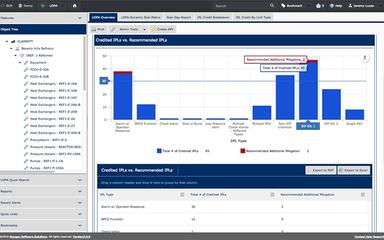
SLM standardizes LOPA processes using configurable worksheets and a Dynamic Risk Matrix for real-time risk monitoring. The platform calculates barrier requirements, links scenarios with HAZOP data, tracks gap closure, and generates critical equipment lists. Users can produce instant reports and automatically integrate recommendations into the Action Item Tracker for timely follow-up.
HAZOP
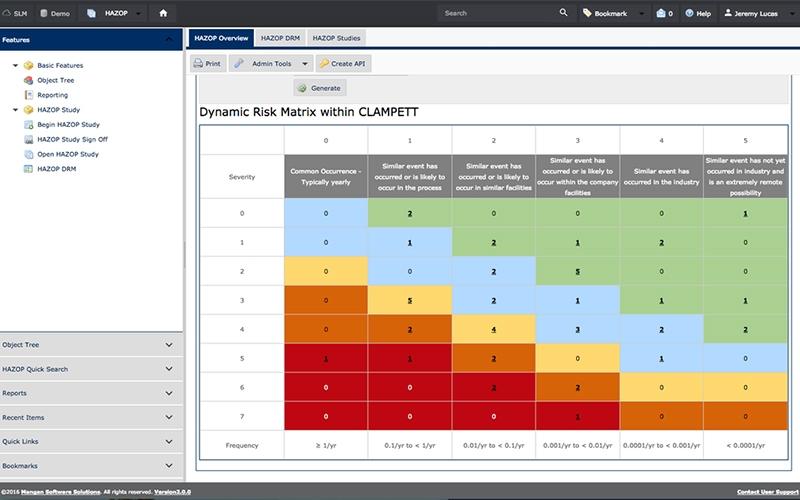
SLM facilitates HAZOP studies with an intuitive Human-Machine Interface that accelerates data review and standardizes processes. The platform allows users to import existing HAZOP data, link scenarios to equipment, generate instant reports, and track recommendation closures. Dynamic Risk Matrix visualization helps assess hazards across plant, area, or unit levels.
Functional Safety Assessments (FSA)
SLM executes Stage 1 through Stage 5 FSAs with standardized checklists to ensure consistency across the organization. The platform integrates Safety Lifecycle data from HAZOP, LOPA, and SIS modules, enabling site assessments, audits, self-assessment comparisons, and automatic final report generation while tracking identified action items for improved efficiency and compliance.
Pros And Cons of SLM
Pros
Keeps safety lifecycle data in one place
Reduces duplicate effort across related studies
Helps teams track actions and approvals
Cons
Integration may require API-based connections
Documentation may not cover all scenarios
SLM Reviews

No reviews yet!
Be the first to review this product
Frequently Asked Questions
What other apps does SLM integrate with?
Information about third-party integrations has not been specified by the vendor.
What types of pricing plans does SLM offer?
SLM price falls between $15,000 and $120,000/year, according to industry benchmarks for similar safety lifecycle management platforms covering HAZOP/LOPA and SIS lifecycle workflows; costs vary by modules, site count, user concurrency, and deployment model. Get a detailed SLM cost breakdown tailored to your specific requirements.
Does SLM offer an API?
Yes, SLM offers an API.
What language does SLM support?
SLM primarily supports multiple languages, including English.
Who are the typical users of SLM?
SLM features are used by a wide range of industries and sectors, including chemical manufacturing, oil, gas, pipeline, and midstream operations.
Does SLM have a mobile app?
No, SLM does not offer a dedicated mobile app.
What level of support does SLM offer?
SLM offers support through phone and an online contact form.