


Last Updated
Overview
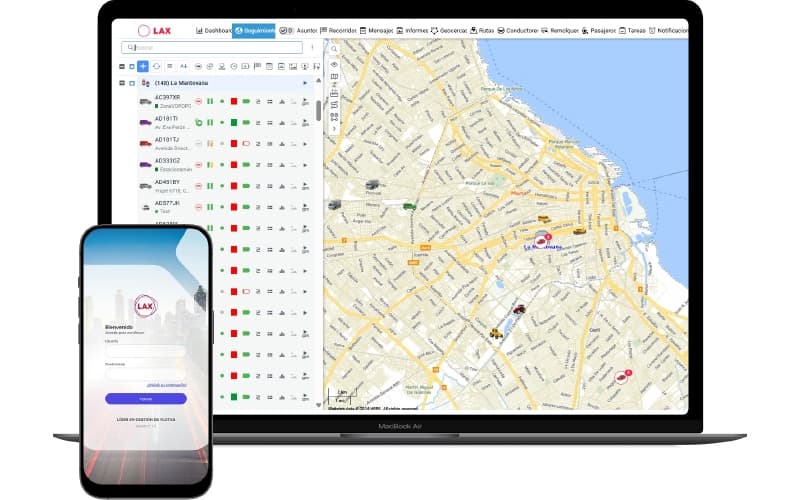
LAX software provides comprehensive fleet management, aiding in planning and tracking for diverse corporate fleets across Latin America. While users might require initial training for better software adoption, its real-time data and automated maintenance justify the cost. Overall, LAX’s strategic benefits make it a compelling choice for regional logistics handling.
Be the first one to leave a review!
No review found

Starting Price
Custom
LAX Specifications
- Vehicle Tracking (GPS)
- Fuel Management
- Maintenance Scheduling
- Driver Management
LAX Features
Electronic Forms And Paperless Audits
Establish uniform inspection protocols and document management through interactive digital forms. This functionality minimizes the administrative burden of manual paperwork while providing exhaustive unit-level traceability. Managers can easily verify that safety checks and work orders meet strict corporate standards.
Rapid Request And Approval Portal
Streamline the coordination of maintenance tasks with instant alerts and one-click authorization tools. This centralized module significantly diminishes response times and eliminates clerical mistakes, allowing fleet supervisors to oversee the live status of every repair case from a single interface.
Integrated Infraction And Fine Hub
Stay ahead of regulatory penalties with a unified dashboard for monitoring traffic camera violations. The system provides timely alerts regarding due dates and appeal opportunities, ensuring organizations can capitalize on early payment incentives while avoiding the high costs of overdue administrative fines.
Dynamic Fuel And Mileage Analytics
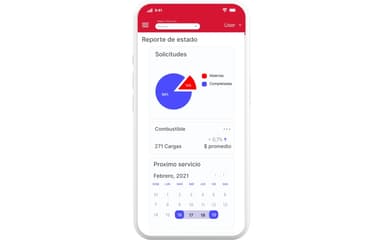
Oversee refueling events and vehicle efficiency to pinpoint mechanical faults or unauthorized consumption. By leveraging comprehensive performance reports and per-kilometer KPIs, businesses can successfully lower their largest variable expenses while identifying specific units that deviate from expected performance ranges.
Pros And Cons of LAX
Pros
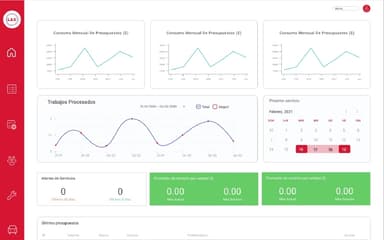
Real-time dashboards and KPIs provide insights into costs, vehicle usage, and fleet performance
Automatic alerts and notifications for maintenance, service dates, and documentation expirations
Maintains complete vehicle histories including services, costs, and operational data
Cons
Extensive capabilities may initially overwhelm users
Managing complex capabilities may require a stronger skillset
LAX Reviews

No reviews yet!
Be the first to review this product
Frequently Asked Questions
Does LAX offer an API?
There is no information available about a LAX API.
Does LAX have a mobile app?
There is no information available about a LAX mobile application.
What types of pricing plans does LAX offer?
LAX pricing typically ranges from $25 to $45 per vehicle per month, depending on fleet size, selected modules, and regional requirements. Additional costs may include GPS hardware, system setup, integrations, and training. For accurate pricing, a custom LAX cost quote is recommended.
What language does LAX support?
LAX is primarily available in Spanish.
What level of support does LAX offer?
LAX offers support via email, an online contact form, and phone.
What other apps does LAX integrate with?
The LAX software supports integration with multiple systems and platforms, including SAP ERP, Oracle ERP, Shell, Enerlink, and Tango.
Who are the typical users of LAX?
LAX is well suited for a broad range of industries, including mining operations, heavy machinery, logistics and transportation, construction infrastructure, corporate vehicle fleets, public service agencies, and agricultural logistics.