


Last Updated
Overview
Pallet provides a comprehensive AI-native logistics platform that unifies Transportation Management (TMS) and Warehouse Management (WMS) to help with effortless fleet operations and inventory control. While the user interface can use some improvements, its ability to automate manual data entry and simplify dispatching makes it a reliable choice.
Be the first one to leave a review!
No review found

Starting Price
Custom
Pallet Specifications
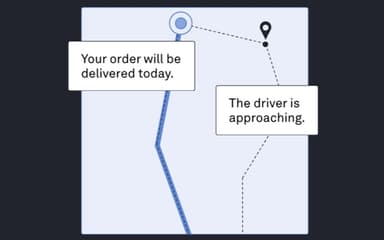
- Vehicle Tracking (GPS)
- Driver Management
- Route Optimization
- Reporting & Analytics
Pallet Features
Unified Logistics Centralization
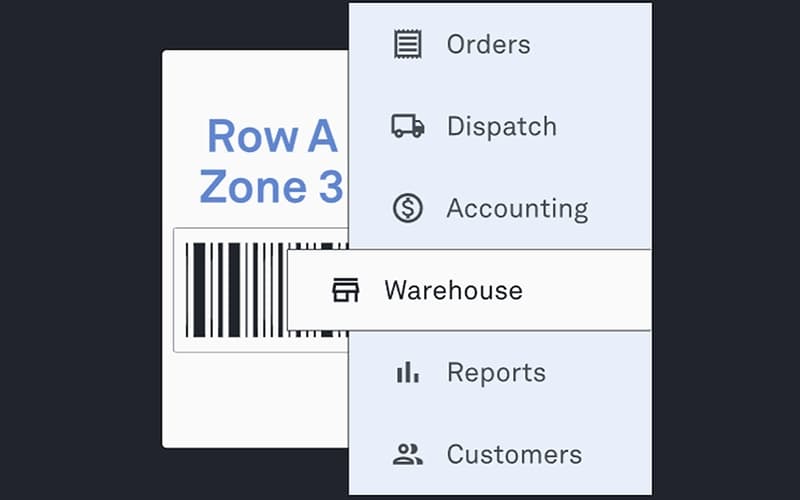
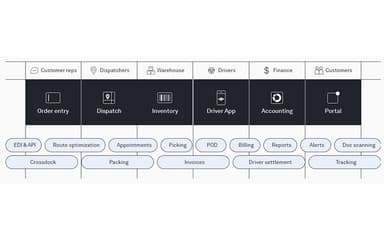
The platform enables the management of an entire operation on a single system by bringing together order entry, dispatching, and warehouse functions in one place. This unified approach makes it easier for teams to work together and ensures that all business data is stored in one location instead of being scattered across different programs.
AI Driven Task Automation
Pallet uses smart technology to automate time consuming chores like entering orders and managing busy schedules. This feature helps the team work faster by letting the system handle the repetitive data entry so staff can focus on more important parts of the business.
Complete Multi Modal Support
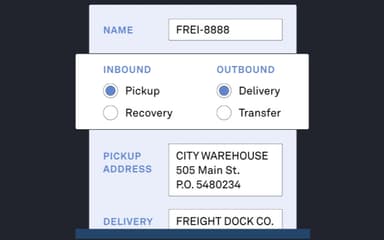
The software is built to handle many different types of shipping and transportation methods within a single integrated framework. This ensures the management of various moving parts of a logistics business without needing to switch between multiple tools to get the job done.
Automated Billing and Invoicing
The system makes back-office work much easier by automatically handling the creation of invoices and financial documents. This helps the company get paid faster and reduces the amount of paperwork the finance team has to manage manually every day.
Smarter Business Outcomes
Running a company on a modern system powered by AI drives better results for a logistics operation. The platform is designed to make every part of the work more efficient from the moment an order comes in until the final delivery is completed.
Pros And Cons of Pallet
Pros
Centralized operations across warehouse and dispatch
Automated entry for faster load processing
Intelligent optimization of multi-modal shipping routes
Cons
Consistent data input needed for accuracy
Standardized reporting may require user adjustment
Pallet Reviews

No reviews yet!
Be the first to review this product
Frequently Asked Questions
What language does Pallet support?
The platform currently supports the English language.
What types of pricing plans does Pallet offer?
Pallet cost falls between $100 and $2,000/month, according to industry benchmarks for similar transportation management solutions. Request a customized Pallet price plan for your business today!
What other apps does Pallet integrate with?
Information about third-party software integrations has not been specified by the vendor.
Who are the typical users of Pallet?
Pallet features are designed for businesses in industries and sectors like logistics, 3PL (third-party logistics), cross-docking, warehousing, and transportation.
Does Pallet have a mobile app?
Yes, the vendor provides a dedicated mobile app for both iOS and Android devices.
Does Pallet offer an API?
Yes, Pallet offers an API.
What level of support does Pallet offer?
The platform provides support through a contact form.