


Last Updated
Overview
Graci is a comprehensive modular solution for Governance, Risk, Audit, and Compliance (GRAC) needs. It provides an integrated 360° view for proactive risk management. Though its many modules may seem overwhelming initially, the Gracie digital assistant enhances decision-making with real-time risk insights.
Be the first one to leave a review!
No review found

Starting Price
Custom

Graci Specifications
- Risk Assessment and Mitigation
- Regulatory Compliance Tracking
- Audit Management
- Incident and Issue Tracking
Graci Features
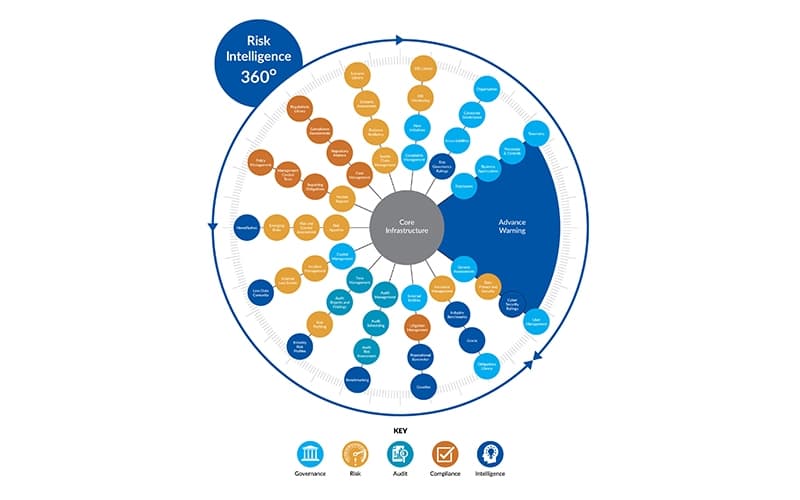
Governance Module
The governance module maintains governance-related reference data such as organizational structures, employees, and users. It supports committees, meetings, senior officers, objectives, the three lines of defence, and external entities. It also manages contractual obligations, new initiatives, and regulatory capital oversight.
Risk Module
The risk module enables integrated enterprise risk management, supporting emerging risk tracking, RCSAs, incident management, and loss events. It includes KRIs, KCIs, KPIs, scenario assessments, vendor management, operational resiliency, and data privacy tools, with comprehensive risk and control libraries.
Audit Module
This module provides functionality for modern internal audit operations. It facilitates risk-based audit scheduling, resource allocation, and working paper management. It streamlines the creation and tracking of audit reports, findings, and remedial actions to deliver assurance to stakeholders.
Compliance Module
This ensures adherence to regulations, legislation, and internal policies. It includes a Regulations Library, compliance assessments, reporting, policy management, and control testing. It also manages AML, KYC, sanctions, financial crime, and litigation processes.
Intelligence Module
This module consolidates internal and external data for informed risk decisions. It uses machine learning, the Gracie digital assistant, and Crawlies to monitor, classify, and aggregate data. It supports benchmarking, industry profiling, and reputational monitoring for firms and partners.
Core Infrastructure
The Core Infrastructure module underpins all Graci components. It ensures scalability, integration, and secure data flow across modules. It supports system administration, access control, and configuration, providing a robust foundation for the Graci suite’s performance and reliability.
Pros And Cons of Graci
Pros
Handles vast internal and external data efficiently
Delivered as SaaS on known, secure Microsoft Azure Data Centres for data location control
Cons
Complex integration requires expert implementation guidance
Graci Reviews

No reviews yet!
Be the first to review this product
Frequently Asked Questions
What level of support does Graci software offer?
Graci offers dedicated support via live chat, email, and phone to assist users with setup, training, and ongoing technical needs.
What types of pricing plans does Graci software offer?
Graci pricing varies by modules, firm size, and users. Request a custom Graci price quote for your GRC needs.
What other apps does Graci software integrate with?
The software supports integration with various systems and platforms, including ERP systems, document management tools, compliance databases, and business intelligence platforms.
What language does Graci software support?
Graci software primarily supports English for all modules and user interfaces.
Does Graci software offer an API?
The Graci website does not mention the availability of an API.
Who are the typical users of Graci software?
The typical users are small, medium, large, and global conglomerate firms, particularly in the financial services sector, including internal auditors, compliance officers, risk managers, and senior officers who require a 360° perspective on risk.
Does Graci software have a mobile app?
The browsed content does not mention a dedicated mobile application. However, Graci is a Software-as-a-Service (SaaS) solution, which typically means it is accessible via a web browser and potentially responsive on mobile devices.