





As you are no doubt aware, processing payroll manually can be a complex and time-consuming task prone to administrative errors, compliance risks, and tax calculations. That's why organizations use automated payroll systems to manage all of them effectively.
A study by Wealth and Finance International shows that 40% of businesses face penalties due to payroll errors. Payroll software solves this issue for companies by automating the entire payroll, compliance, and administrative process. But with a lot of available options, how do you find the right fit for your needs?
In this guide, we will discuss the key factors to consider when looking for the best payroll solution to meet your organizational needs.
Let's uncover the details.

We get that choosing the right payroll system might be a daunting task for your organization, given the importance of the decision. You need to consider company size, needs, and operational requirements. We have curated the following steps to help you select the right software for your organization:
Define Your Business Needs
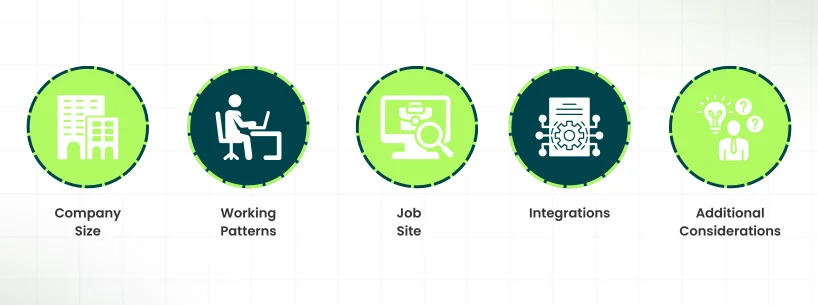
Every business is unique, and your payroll software should reflect that. Here are the questions your stakeholders need to ask themselves to define the needs of your business:
Specify Key Features To Prioritize
You should take your time to ensure that a payroll system provides the features that your team actually needs. Make a clear list of features before you shop around, so that your mind is clear and focused before making a choice. Here are some of the key features to keep in considering when picking a final provider:
- Compensation management functionalities
- HRIS solutions with time-tracking integrations
- Flexible payment methods
- Expense management tools
- Compliance and tax management
- Self-service portal
- Payroll auditing and reports
- Automation opportunities
- Expert support
Evaluate Cost And Pricing Models
Regardless of the company size, a big factor in choosing a specific vendor is the budget. You will need to have a system that offers the required features in the price range you have established.
Here are some of the aspects to consider when evaluating the cost of a certain payroll system:
- Base fee
- Taxes and compliance cost
- Frequency of pay runs
- Set up and support charges
- Implementation charges
Also, assess the pricing models on which the selected vendors operate while you are evaluating. The three common pricing models followed by different platforms are the following:
- Software-as-a-service pricing model
- Subscription plans
- Perpetual license
Verify Security And Compliance
Since payroll data often comprises sensitive information about your company and employees, the payroll system you select should be able to protect it. The right system keeps the data secure with measures like:
- Offering encryption standards (such as AES-256)
- Implementing role-based access controls
- Keeping detailed audit trails
- Offering updated and ongoing security patches against emerging threats
Similarly, compliance capabilities generally differ with respect to industry and jurisdiction. You should consider a software that usually offers compliance with the following regulations:
- Real-time tax table updates for compliance
- Regulatory change management for labor/employee laws
- Keeping records as per statutory requirements
- Generating reports and filings required by the government
Plan Implementation And Customer Support
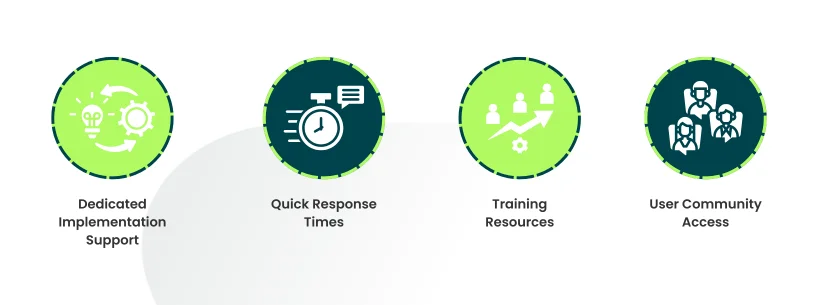
The quality of customer support offered by a vendor directly impacts the success of payroll systems. Reliable and timely support enables users to resolve their issues quickly and maintain smooth payroll operations during critical processing periods. Ideally, you should look out for the following factors:
A quality payroll software provider offers ongoing education about new functions, regulatory changes, and tax practices. You should look for vendors that offer proactive support during software implementation and user-focused training opportunities.

Once you have considered the factors that we have discussed in this guide, you will have a clear picture of the features your company needs in payroll software. Based on required features, you can select a vendor that aligns with your organizational needs. To make a final, confident choice, narrow your options further to 2-3 software and then finalize your decision.
If possible, request a hands-on demo from the potential payroll providers. It will give you a glimpse into the system and let you ask relevant questions. If you still require help selecting the right solution for your organization, you can reach out to our experts here at Software Finder.