Article
What Is Epic Garden Plot? A Complete Guide to Epic’s SaaS EHR
10 mins read
Last Updated


By Ramla Shahid and


Article
10 mins read
Last Updated
By Ramla Shahid and
Epic is a widely used healthcare technology provider. However, for years, it came with a catch: clinicians needed millions of dollars, a large IT team, and long implementation timelines to get started. This has made it difficult for thousands of independent practices to adopt the system.
This is where Garden Plot, Epic’s SaaS-based offering, comes in, designed to streamline access to its software suite for independent medical groups. This guide breaks down exactly what Garden Plot is, how it works, what it costs, and whether it is the right fit for your practice.
Epic Garden Plot is a cloud-hosted solution built for independent medical practices. It follows a Software as a Service (SaaS) model, where Epic manages hosting, support, and system updates. This allows providers to access the system through login, without managing servers or maintaining software locally.
The key benefit of this is accessibility. It allows practices to use Epic’s software without setting up their own infrastructure or hiring a large IT team. Simply put, the Garden Plot brings Epic's full EHR capabilities to smaller practices, so that they don’t need to manage servers, storage systems, and technical resources to run and maintain the software environment.

Epic is a widely used electronic health record (EHR) platform in healthcare. However, implementing it can be complex and resource-intensive.
A full enterprise rollout can cost anywhere between $70 million and $200 million in the first year alone, depending on the size of the facility, the number of modules required, and the complexity of integrations. These estimates mainly reflect software and implementation-related costs.
Organizations also need internal IT teams, server infrastructure, and extensive staff training. In some cases, adoption timelines can extend over long periods due to training and system configuration requirements.
Large health systems can usually spread those costs over time. For many organizations, however, this level of financial and operational commitment can be difficult to manage.
Smaller practices face many of the same operational requirements as large hospitals. They also need to document patient visits, coordinate care across multiple providers, manage prescriptions, and meet regulatory requirements.
In other words, the clinical needs are nearly identical.
What smaller practices typically lack is the budget and IT capacity required to deploy a full Epic environment. So, the traditional path to getting Epic has historically been out of reach.
Garden Plot was introduced to address the cost, infrastructure, and implementation challenges associated with traditional Epic deployments.
Instead of requiring organizations to set up and manage their own systems, Garden Plot provides access through a shared, cloud-hosted model. Practices use the software through a subscription model rather than building and maintaining the system themselves.
Epic handles the infrastructure, system updates, and technical support. For clinics, this means they primarily focus on using the system rather than maintaining it. This shift—from self-hosting to a managed model—changes how practices adopt and use Epic.
Garden Plot is designed specifically for independent medical groups that operate outside of large hospital systems. These organizations still need the technology required to run a modern practice, comply with regulations, and deliver high-quality patient care.
What they often do not have are the resources needed for a full enterprise EHR deployment.
In general, Garden Plot tends to fit organizations like these:
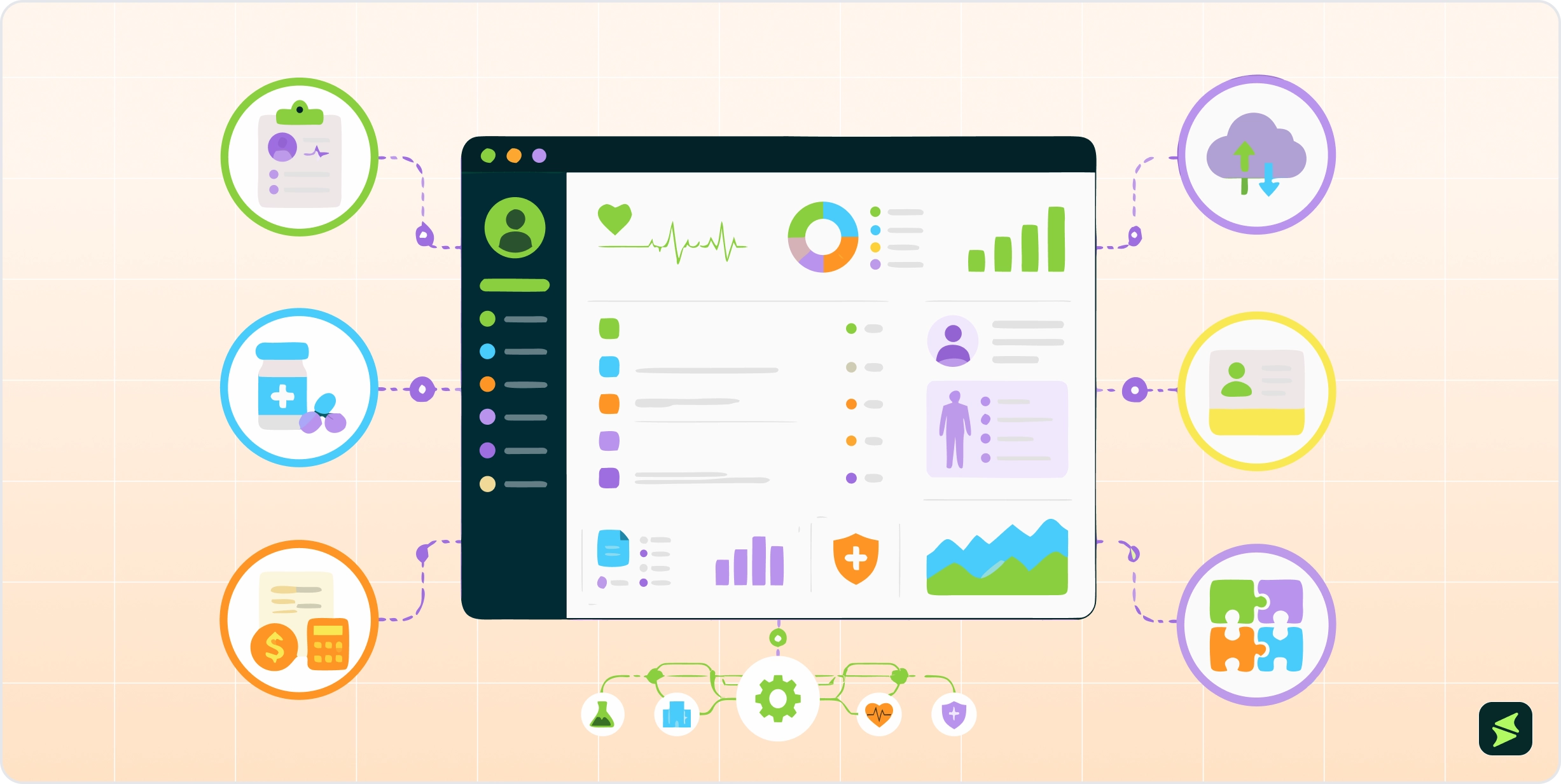
Garden Plot runs on Epic-managed cloud infrastructure, so there is nothing for practices to install or maintain. Epic handles hosting, support, and system configuration and updates on the practice's behalf. The entire system is accessed through a browser, which allows practices to start using it without local setup.
Garden Plot provides providers with Epic's clinical documentation tools, built into the EHR. Its main features include access to AI, which reviews recent notes and relevant external data to generate summaries before each visit. During the encounter, Epic can identify discussed orders and prepare them for clinician review and approval. Notes, prescriptions, and orders are sorted within a single patient record.
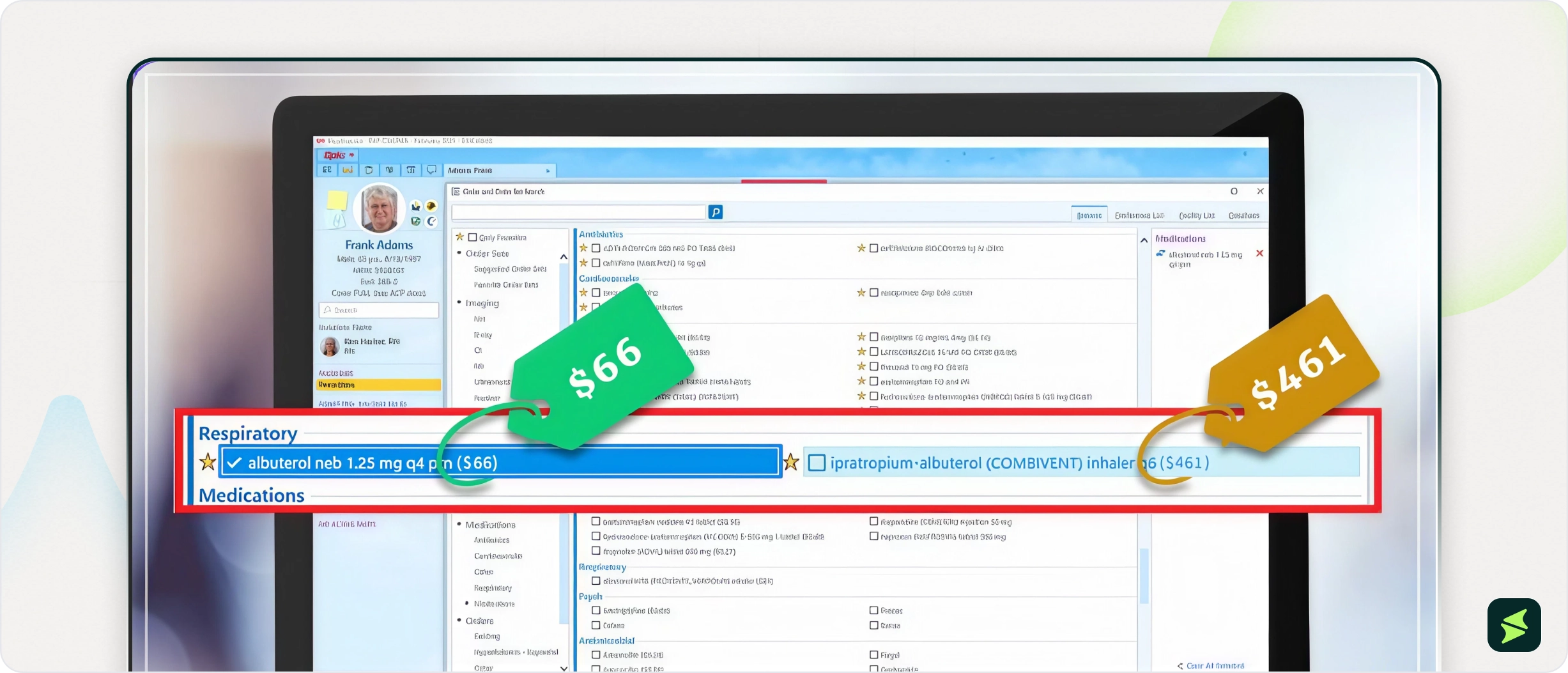
The system also supports e-prescribing through its integration with Surescripts. Providers can view expected out-of-pocket costs, see lower-cost medication alternatives, and check whether additional insurance approvals are required before sending prescriptions to the pharmacy.
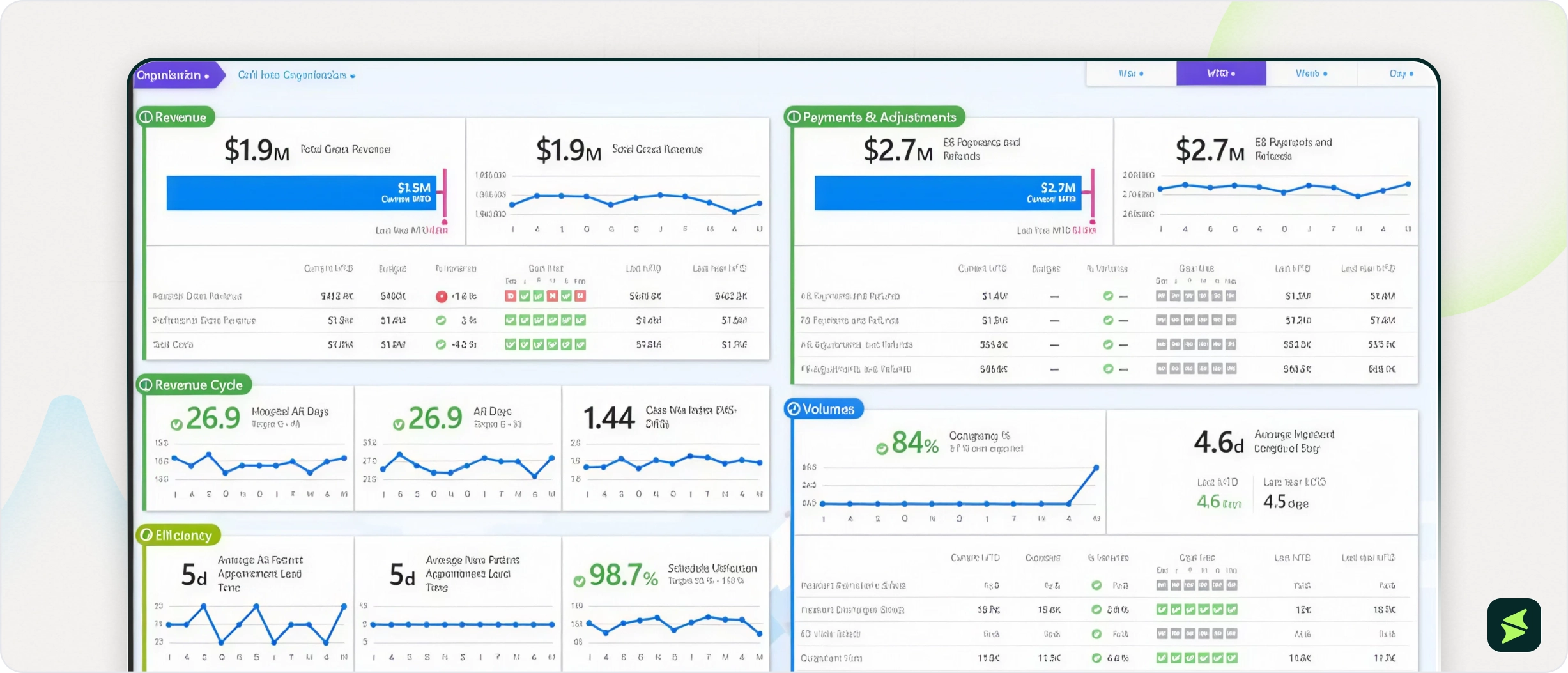
Garden Plot includes Epic's full billing and revenue cycle tools. Using them, billing staff can automate routine administrative tasks and focus more on complex or high-value accounts instead of manually handling repetitive tasks. The system also supports claims processing, payment tracking, and financial reporting within the same system.
In addition, Penny, Epic’s AI for operational workflows, helps automate professional billing coding by reviewing clinical documentation and suggesting billing codes for staff to review and confirm.
Each month, more than 45 billion messages are sent between Epic and non-Epic systems, with over 60,000 active interfaces across more than 2,000 vendors. Garden Plot practices plug directly into this network, which means patient records can be shared across providers, care settings, and health systems without manual data entry.
Garden Plot practices get access to MyChart, which is Epic's patient-facing portal. Patients can schedule appointments, access medical records, connect home monitoring devices, and use telehealth services through a single digital front door. It helps maintain patient engagement between visits without requiring additional systems from the practice.
The platform includes integrated products from Availity, Biscom, Change Healthcare, Healthwise, Intelligent Medical Objects, Iron Bridge, Lyniate, OSG Billing Services, Solarity, Sphere, Surescripts, and Wolters Kluwer. These integrations support claims management, patient education, data migration, eligibility verification, and other workflows, with pre-configured connections to reduce setup effort.
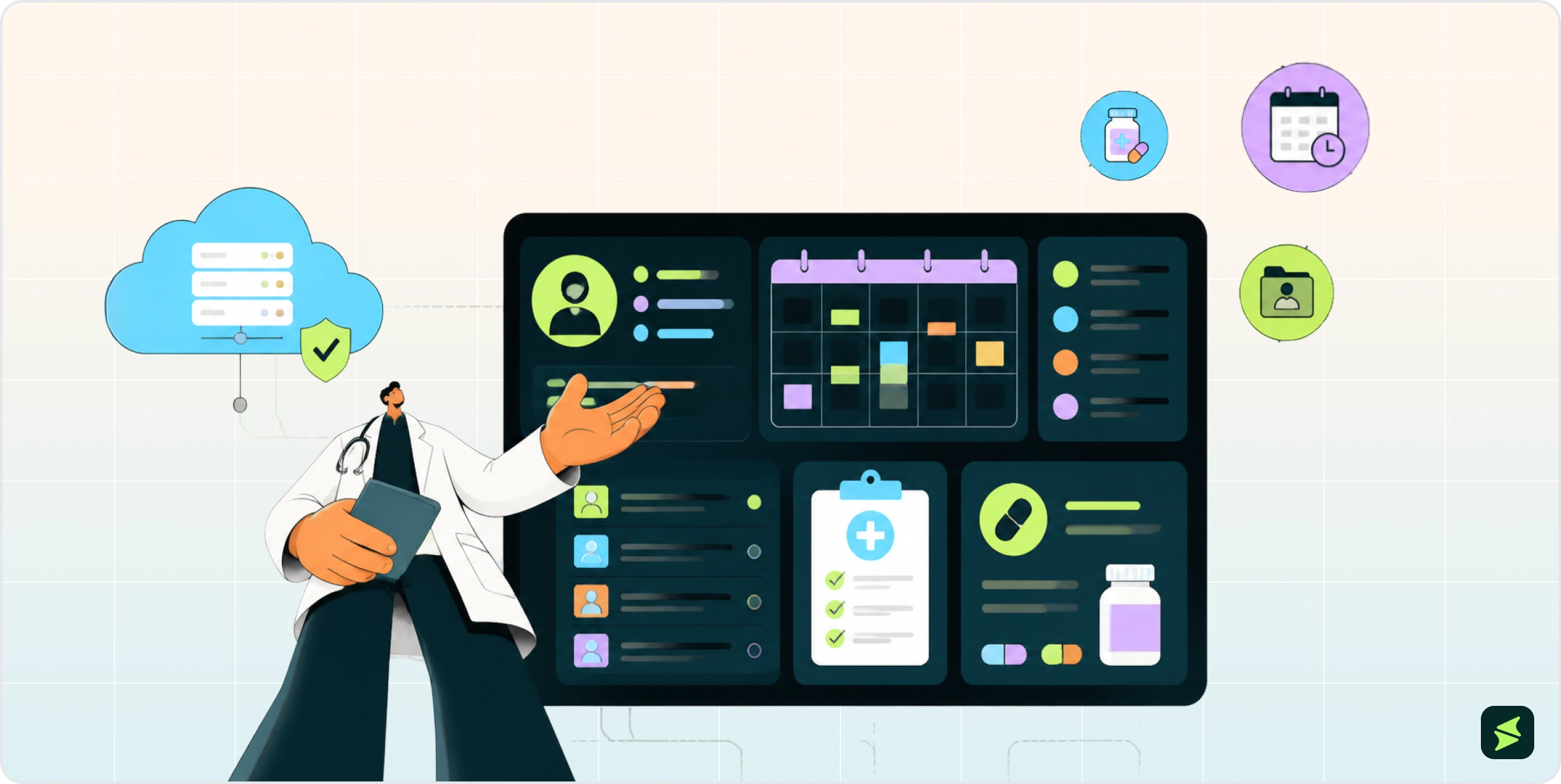
Garden Plot runs on the same Epic platform that large health systems use, but is delivered through a cloud-based model. Here is a walkthrough of what happens inside the system.
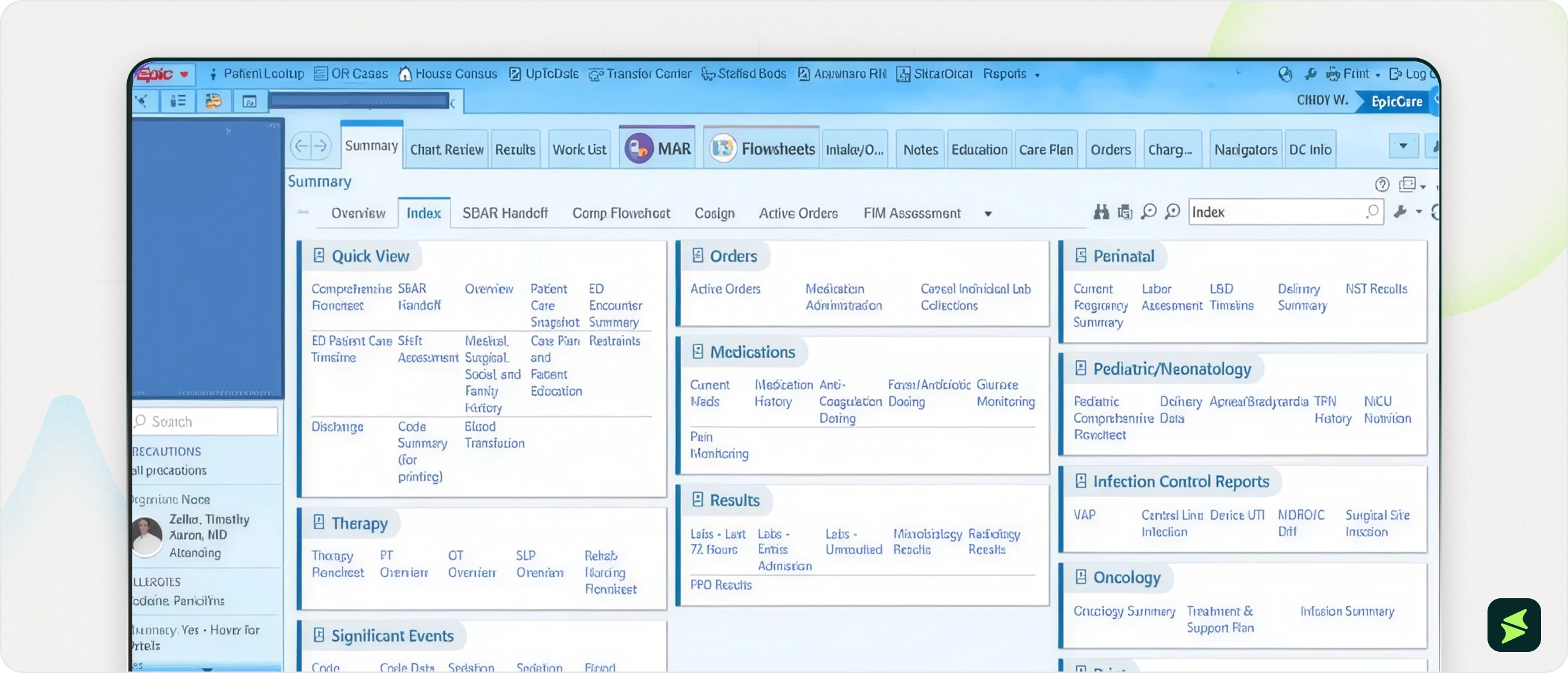
Providers log into Epic Garden Plot to access a centralized dashboard where they can open patient charts, view schedules, manage tasks, and review clinical data. Many organizations also use dashboards and reporting tools to monitor patient information and operational metrics in real time.
Clinicians use the patient chart to view demographics, previous diagnoses, medications, test results, and visit history. Epic’s EMR tools allow providers to document and update clinical information, helping keep patient records complete and accessible across the care team.
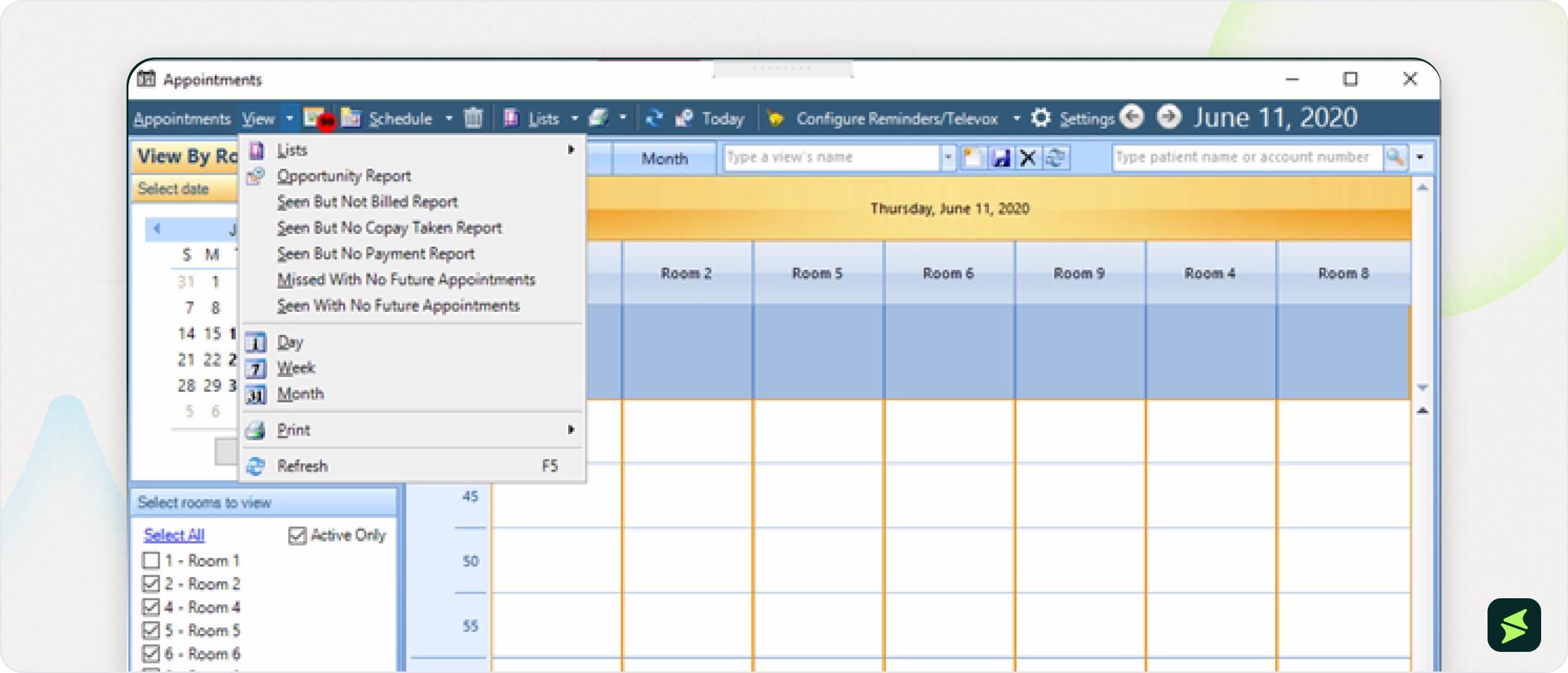
A fully integrated scheduling system makes it easy for staff and patients to schedule and manage visits, procedures, or diagnostics. New and existing patients can schedule appointments online, with or without a MyChart account. Staff manage the same scheduling workflows directly within the EHR.
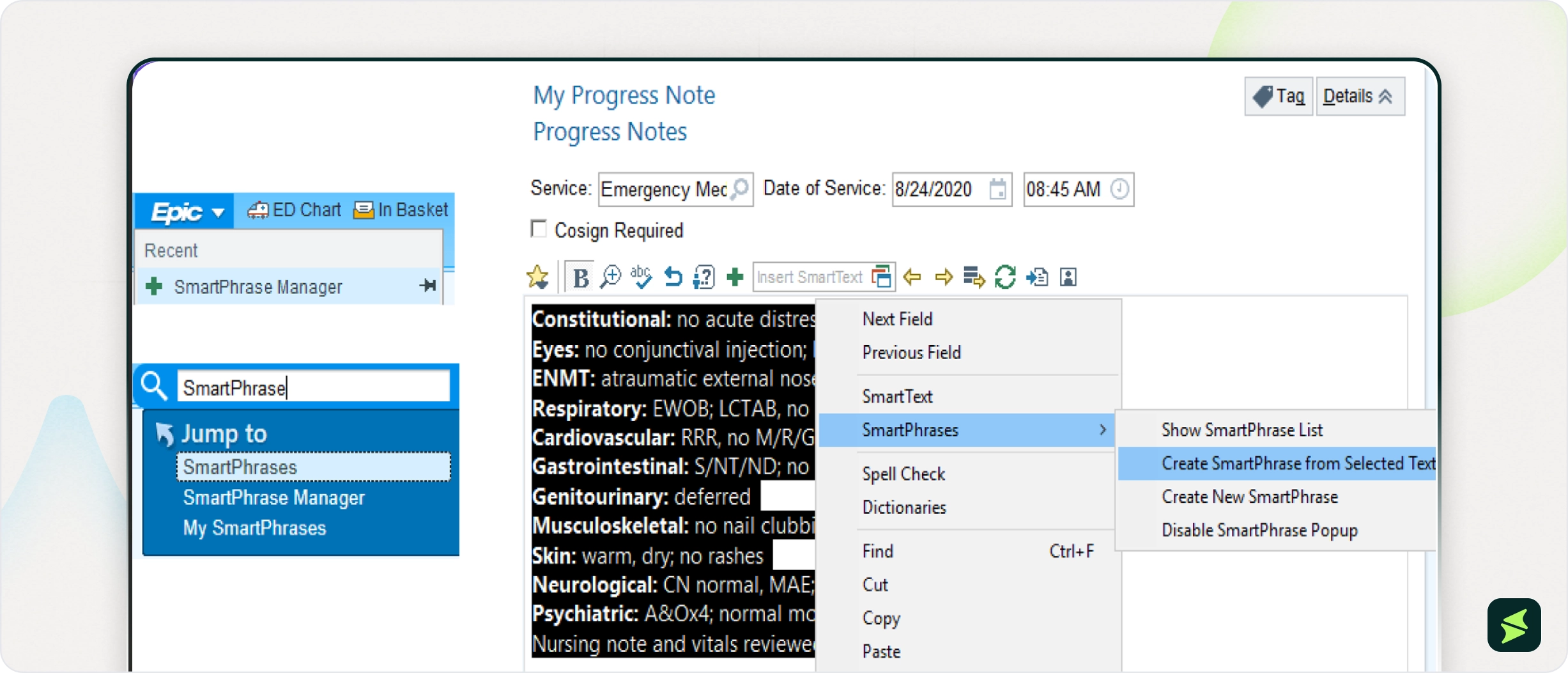
Users can electronically create and manage clinical documentation, with built-in logic to support quality measures based on data recorded in the EHR. During the visit, providers document notes, place orders, and review results. AI tools can suggest or queue orders based on documented information, which helps reduce post-visit administrative work.
Garden Plot includes e-prescribing built into the clinical workflow. Using it, providers can review a patient's current medications, check for interactions, and send prescriptions electronically to the patient's preferred pharmacy. This process is part of the standard medication management workflow and supports electronic transmission of prescriptions.
Epic Garden Plot includes practice management tools for handling insurance eligibility, patient demographics, and billing. These tools help clinics manage claims, track payments, and link clinical activities with billing and revenue processes.

The following section covers the key benefits that make Epic Garden Plot a more accessible option for independent groups.
As stated above, traditional Epic deployments can require significant upfront investment before go-live. Garden Plot uses a subscription-based model instead. Practices pay a monthly fee instead of a large upfront license cost, which can make it more financially feasible for some organizations compared to a full enterprise deployment.
Garden Plot is designed to support quicker implementation timelines. Under the Garden Plot model, clients may share a managed environment with other Garden Plot users, meaning the core infrastructure is already in place. Practices configure their workflows and go live faster compared to building and deploying a system independently.
Garden Plot practices plug directly into Epic's Care Everywhere network from day one. Care Everywhere supports the exchange of over 27 million data records between Epic and non-Epic systems. For smaller practices, this means patient records can be shared across providers and care settings without relying on manual processes.
Running a traditional EHR environment requires a dedicated IT team to manage servers, security patches, and system uptime. Garden Plot reduces this requirement by shifting these responsibilities to Epic to manage hosting, support, and system updates, which allows providers to focus more on clinical work. This reduces the need for dedicated internal IT resources for system maintenance.
Through Garden Plot, Epic provides software upgrades quarterly, with releases approximately four times a year, typically in February, May, August, and November. These are available without charge as part of annual maintenance. Garden Plot clients receive these updates automatically, eliminating the need for manual installation or internal coordination.
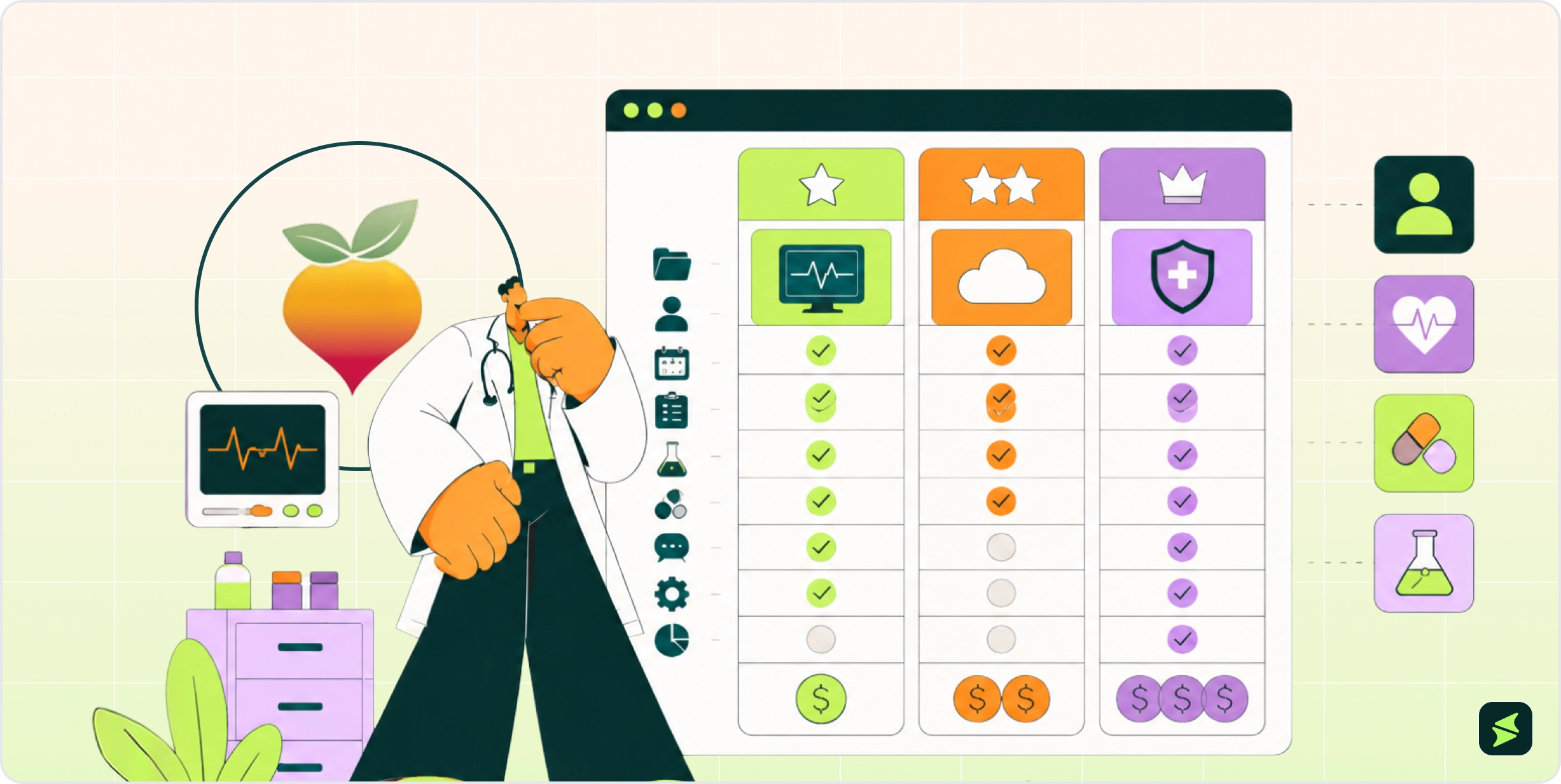
Epic Garden Plot pricing starts at around $2,000/month, with setup costs beginning at approximately $10,000. The final pricing can vary quite a bit depending on several factors, such as:
In most cases, pricing scales with the size and operational complexity of the practice. A 40-provider primary care clinic, for example, will have very different requirements compared to a 100-provider multi-specialty group, and that difference naturally affects the total cost.
Beyond the base subscription, practices should also plan for a few additional expenses.
Disclaimer: Pricing references are based on publicly available third-party information and industry benchmarks. Actual costs may vary.

Community Connect is a program where a large health system shares its existing Epic environment with smaller partner organizations. The host health system manages infrastructure, configuration, and support, while the partner clinic accesses the system through this shared setup.
Garden Plot does not require a host health system. When Community Connect is not available, Garden Plot gives groups a way to work with Epic directly. Epic manages the infrastructure, support, and updates, while practices access the system through a cloud-based model.
In this setup, practices operate within Epic-managed environments rather than relying on a host organization’s system. Some practices may prefer this approach to avoid sharing system access with a local hospital, particularly if that hospital is a direct competitor.
In short:
Aspect | Community Connect | Garden Plot |
Deployment model | Shared Epic instance from a host hospital | Epic-hosted SaaS environment |
Relationship | Clinic partners with a health system | Clinic works directly with Epic |
Governance | Host health system manages system decisions | Epic manages infrastructure; the organization controls its workflows |
Data environment | Often shared patient records with the host | Independent environment with interoperability |
Typical users | Smaller affiliated clinics | Larger independent groups |

Both Garden Plot and traditional Epic run on the same core software. The difference lies in how it is deployed, who manages it, and what it costs to get started.
Here is a side-by-side look for a better understanding:
Aspect | Community Connect | Garden Plot |
Deployment model | Shared Epic instance from a host hospital | Epic-hosted SaaS environment |
Relationship | Clinic partners with a health system | Clinic works directly with Epic |
Governance | Host health system manages system decisions | Epic manages infrastructure; the organization controls its workflows |
Data environment | Often shared patient records with the host | Independent environment with interoperability |
Typical users | Smaller affiliated clinics | Larger independent groups |
Garden Plot is not a standalone solution; it comes with a set of pre-built integrations ready to go from day one. These are the third-party partners included as part of the Garden Plot offering:
Beyond these, Epic's App Orchard, now known as Epic App Market, gives practices access to a marketplace of apps for reporting, visualizations, content, and more, thereby expanding what Garden Plot can do without requiring custom development.
Epic has traditionally required significant resources, which has made it difficult for many independent practices to adopt. Garden Plot changes that dynamic by offering a cloud-based option that allows smaller physician groups to access Epic’s system without managing their own infrastructure.
If your practice is facing challenges with its current EHR, such as limited interoperability or difficulty managing complex workflows, Garden Plot may be an option to consider. The next step is to evaluate your requirements and explore whether this model aligns with your organization’s needs.