






Hiring talent sounds simple until you’re sifting through hundreds of resumes, spotting AI-generated applications, and trying to respond before strong candidates lose interest. As this workload increases and expectations get higher, organizations are at more risk of falling behind.
To carry the repetitive load of hiring process, recruitment software steps in. This tool unifies and automates the key hiring activities such as sourcing screening, and shortlisting of candidates. Instead of struggling with numerous tools, it provides a centralized place to manage and track the pipeline of applicants in each step of the recruiting process. This software supports recruiters to focus on sourcing key talent and creating talent pools, ensuring faster candidate placement.
In this guide, we will walk you through the core features, benefits, and primary users of recruitment software, making it easier for you to choose the right solution that supports your hiring goals.
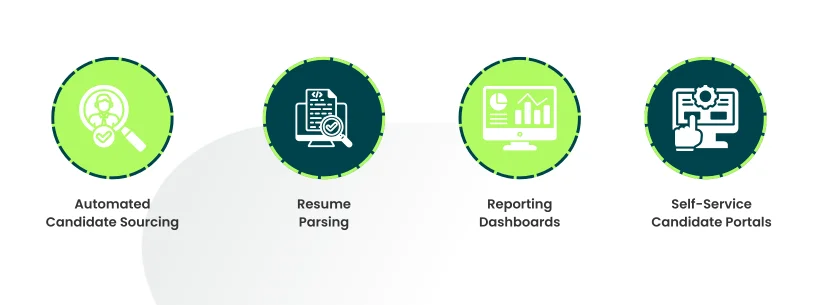
Recruitment software streamlines the complete hiring process from sourcing, screening to interview scheduling, and final onboarding. When evaluating multiple tools, below are the key features that you need to look for:
- Automated Candidate Sourcing: Removes the burden of manually searching candidates. It automatically collects candidates’ information from several job boards, social networks, and career platforms based on predefined job criteria from integrated systems
- Resume Parsing: Automatically screen resumes and extract relevant information such as skills, experience, and education
- Reporting Dashboards: Displays recruitment KPIs like time to hire, stage drop-off points, and best-performing sourcing channels to help refine recruitment strategy with real data
- Self-Service Candidate Portals: Let candidates upload their resumes, submit required documents, and track application status without requiring HR support or contacting the recruiters
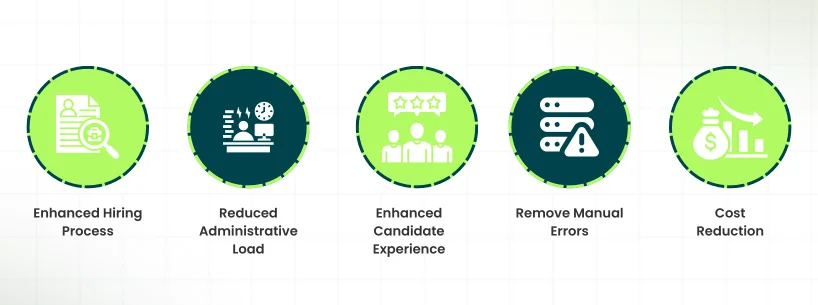
Recruitment software simplifies the hiring process by making it more organized, quicker, and data driven. Below are the key benefits that it provides
- Enhanced Hiring Process: Centralizes candidate information, simplifies communication, ensures smooth collaboration among the hiring team, which improves evaluation and reliability across each hiring stage
- Reduced Administrative Load: Automates time-sensitive and repetitive tasks, such as job posting, resume sorting, and interview scheduling. This allows recruiters to focus on more strategic tasks instead of chasing emails or organizing files
- Enhanced Candidate Experience: With real-time application status, built-in messaging, and interview reminders, to keep candidates informed. This improves overall candidate experience, ensures a transparent hiring process, and avoids confusion
- Remove Manual Errors: Built-in automated error-checking, data validation, and duplicate profile checks help to minimize human errors and ensure a smoother, more accurate hiring process
- Cost Reduction: It allows recruiters and organizations to track expenses and monitor where applicants come from (LinkedIn, Indeed, referrals, etc.). This helps in reducing the hiring cost by identifying the most effective channels to find the right candidate
During the selection of recruitment software, it is easy to get distracted by the long feature lists and demos provided by the vendor. So, instead of choosing what looks impressive, you should focus on what supports your hiring workflow.
Below are some dos and don'ts that will help you in evaluating the right choice:
Do’s:
- Select tools that can manage high applicant number without even slowing down the hiring process
- Prioritize platform which is user-friendly and easy to navigate for both recruitment teams and candidates without requiring external HR or IT support
- Opt for software that can easily integrate with your already existing HRIS system, sourcing tools, and job boards. So, you can easily transfer hired candidate data, including job details, joining date, and compensation package, directly into the system
- Choose system with built-in dashboard to easily track time-to-hire, candidate performance, and drop-off points
- Look for a platform that meets the rigorous privacy standards such as GDPR or CCPA to protect candidate and organizational data
Don’ts:
- Do not rely on the demos alone. Always test the system with your real workflows to check how well it supports your hiring needs
- Do not overlook the vendor’s support because quick and consistent customer support is important during onboarding, technical issues, and peak hiring seasons
- Do not skip reviewing the security control. A system without proper permission, encryption, and compliance checks can put your reputation and the candidate’s data at risk
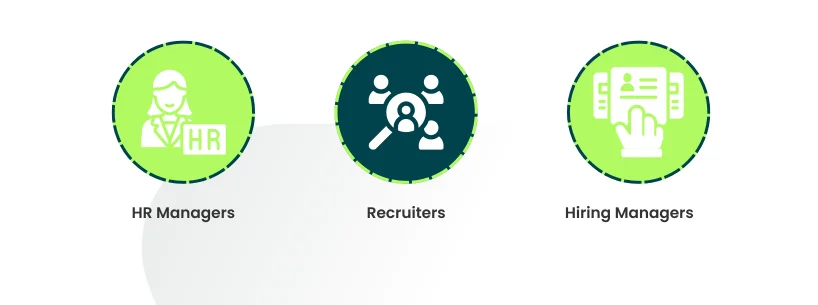
Recruitment systems are not just limited to large businesses seeking a broad talent pool. This software serves anyone involved in the hiring process, including HR leads and hiring teams, irrespective of their size. Here are the users who benefit the most from this tool:
- HR Managers: Handle hiring progress, monitor compliance and audit trails, verify completion of documentation, and move hired-candidate data into the HR or onboarding system
- Recruiters: Manage routine hiring workflows such as posting jobs, screening applications, advancing candidates through hiring stages, scheduling interviews, and managing communication across teams
- Hiring Managers: Review shortlisted candidates, share interview feedback, and collaborate on the final hiring decisions within the platform

Recruitment software brings more clarity and structure to the hiring process by automating routine tasks and improving team collaboration. Before choosing any platform, evaluate the gaps in your current process and the level of support your workflows actually require. Then, look for a system that aligns with your goals, integrates smoothly with tools you are already using, and removes the hurdles that slow down decision-making. The right software should strengthen your hiring process, not complicate it. To make your search easier, explore our curated list of the best HR software for recruitment, featuring top-rated platforms that simplify hiring and empower your team to make smarter decisions.