


HubSpot Service Hub
Last Updated
Overview
HubSpot Service Hub helps grow teams, scale support, and drive retention through an AI-powered, omnichannel platform. While advanced automation features like skill-based routing require premium subscriptions, its unified help desk ensures personalized service and seamless collaboration. Overall, it is an ideal solution for businesses seeking connected, data-driven customer care.
Be the first one to leave a review!
No review found

Starting Price
Custom
HubSpot Service Hub Specifications
- Ticket Management
- Live Chat
- Omnichannel Support
- CRM Integration
HubSpot Service Hub Features
Help Desk Workspace
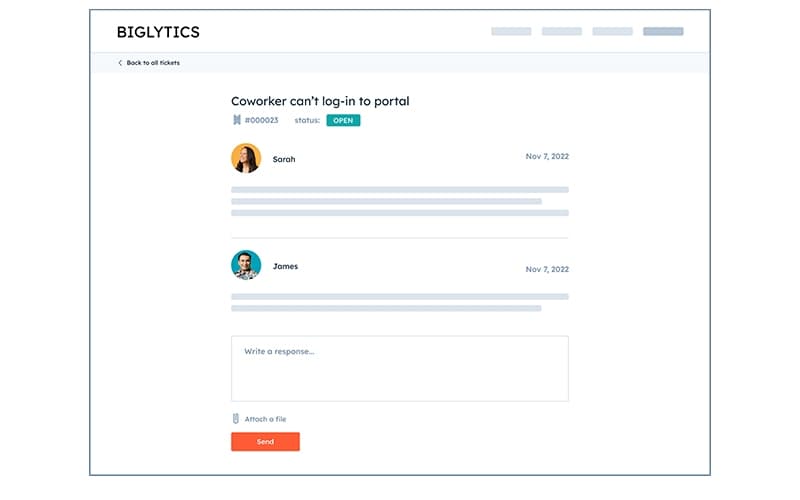
The platform delivers an AI-powered help desk and ticketing workspace designed to provide personalized customer support at scale. This feature allows users to efficiently manage tickets and prioritize inquiries within a centralized system. By consolidating interactions, the software helps teams maintain organization and respond faster to customer needs.
Omnichannel Communication
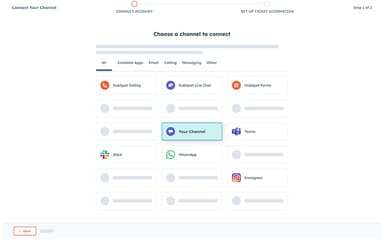
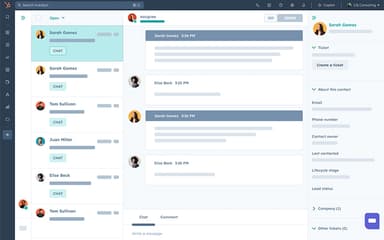
HubSpot Service Hub software enables users to meet customers wherever they are by providing personalized support across every channel. This feature unites communications from email, chat, and messaging into one interface, ensuring that teams can deliver a consistent and context-rich experience regardless of how the customer chooses to connect.
Call Tracking
Users can create sophisticated call flows with interactive voice response phone trees and enable seamless team routing. This feature facilitates effective management of phone support at scale, ensuring calls are transferred to the right agents. The software helps teams deliver a professional voice experience while maintaining operational efficiency.
Service Analytics
The software helps users uncover key insights with out-of-the-box reports designed to measure team performance and customer satisfaction in real time. This feature enables leaders to track service metrics and identify trends quickly. By visualizing data, the platform empowers businesses to make informed decisions that improve support quality.
Feedback Management
This feature allows users to understand what customers really think using customizable NPS, CSAT, and feedback surveys. HubSpot Service Hub software enables the collection of direct insights to track satisfaction trends. By leveraging this data, teams can identify areas for improvement and drive proactive retention strategies effectively.
Pros And Cons of HubSpot Service Hub
Pros
Centralizes customer service operations effectively
Helps improve ticket resolution rates
Provides actionable customer insights
Cons
Occasional slow response times reported
Reporting options can be complex
HubSpot Service Hub Reviews

No reviews yet!
Be the first to review this product
Frequently Asked Questions
Does HubSpot Service Hub offer an API?
Yes, HubSpot Service Hub offers an API.
What other apps does HubSpot Service Hub integrate with?
HubSpot Service Hub integrates with Slack, Gmail, Zapier, and more.
Does HubSpot Service Hub have a mobile app?
Yes, HubSpot Service Hub offers a dedicated mobile app.
What language does HubSpot Service Hub support?
HubSpot Service Hub primarily supports the English language.
What level of support does HubSpot Service Hub offer?
HubSpot Service Hub offers support through phone, fax, knowledge base, and a help center.
Who are the typical users of HubSpot Service Hub?
HubSpot Service Hub features are used by organizations across industries and sectors, including hospitality, technology, and legal services.
What types of pricing plans does HubSpot Service Hub offer?
The vendor offers four HubSpot Service Hub price plans, including Free ($0), Starter ($20/seat/month), Professional ($100/seat/month), and Enterprise ($150/seat/month). Get a detailed HubSpot Service Hub cost breakdown tailored to your specific requirements.