Article
HR AI Ethical Audit: A Practical Guide To Auditing AI-Assisted HR Decisions
19 mins read
Last Updated


By Rohab Tariq Hanjra and


Article
19 mins read
Last Updated
By Rohab Tariq Hanjra and
A major HR technology vendor is facing a closely watched lawsuit over AI-powered candidate screening tools that allegedly discriminated against applicants based on race, age, and disability. Its software rejected 1.1 billion job applications, according to the vendor's own court filings.
Litigation is not the only pressure point. States and cities are also introducing requirements governing the use of AI in employment decisions. New York City, for example, requires employers using certain automated employment decision tools to meet bias-audit and disclosure requirements.
This is where an HR AI ethical audit becomes critical. It provides a structured way to evaluate AI systems for bias, transparency, and governance risks before they lead to discriminatory outcomes or costly legal and compliance problems.
To understand what an effective HR AI audit looks like in practice, Software Finder spoke with Chris Pinkerton, Managing Director, Canada, at Employment Hero. The conversation explored where regulatory exposure appears, how bias shows up in real-world HR systems, who remains accountable when AI-assisted decisions go wrong, and what a defensible audit process looks like. The insights throughout this guide are informed by that discussion, alongside current research and regulatory developments.
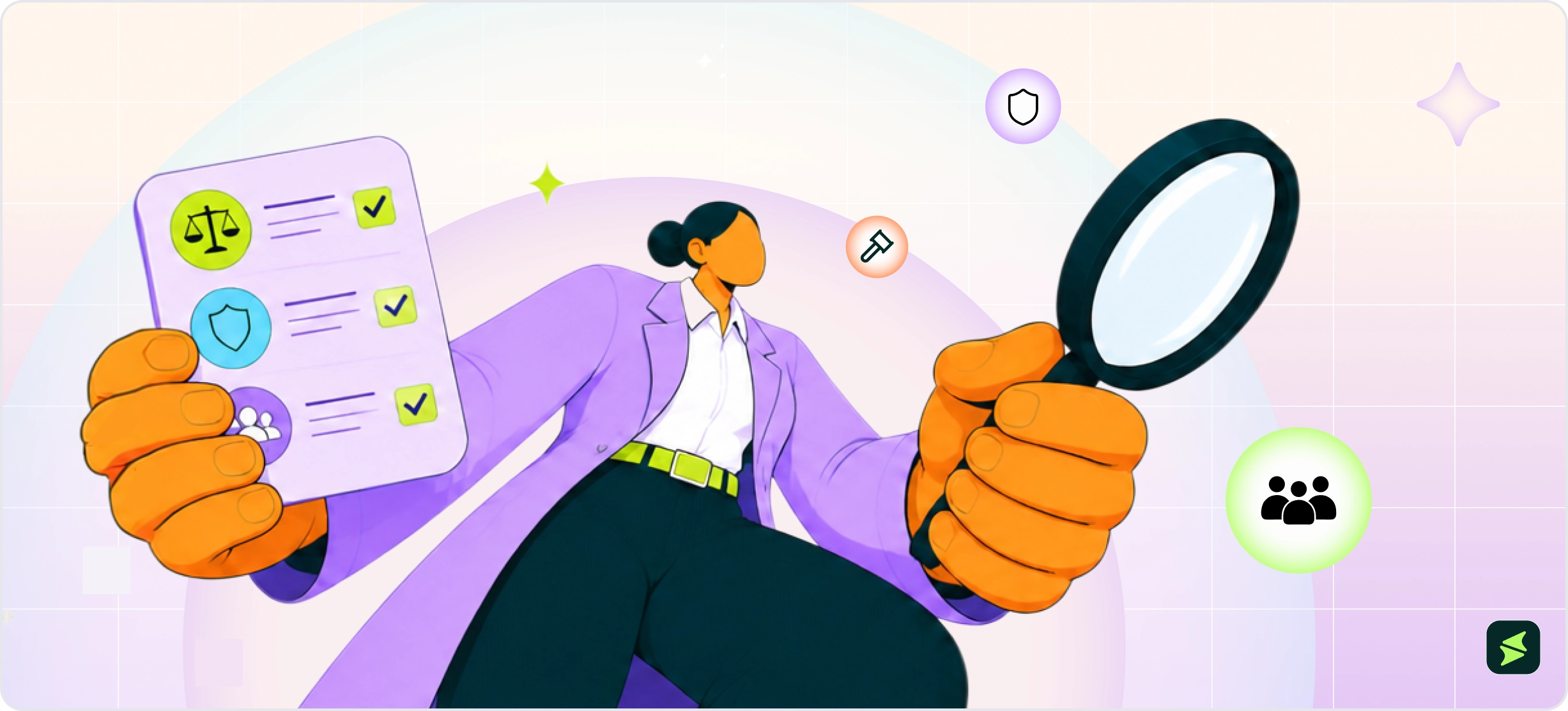
An HR AI ethical audit is a structured, ongoing process for evaluating whether your AI systems operate with fairness, accountability, privacy, and transparency.
At its core, an audit answers a simple but critical question: Can your organization confidently defend every AI-assisted employment decision if it's challenged by an employee, regulator, or court? As Chris puts it:
Drawing on guidance from the NIST AI Risk Management Framework, the EU AI Act, and OECD AI governance principles, a comprehensive HR AI ethical audit should evaluate whether AI systems:
Understanding what an HR AI ethical audit is also requires understanding what it is not:
Catch the full podcast with Chris Pinkerton below:
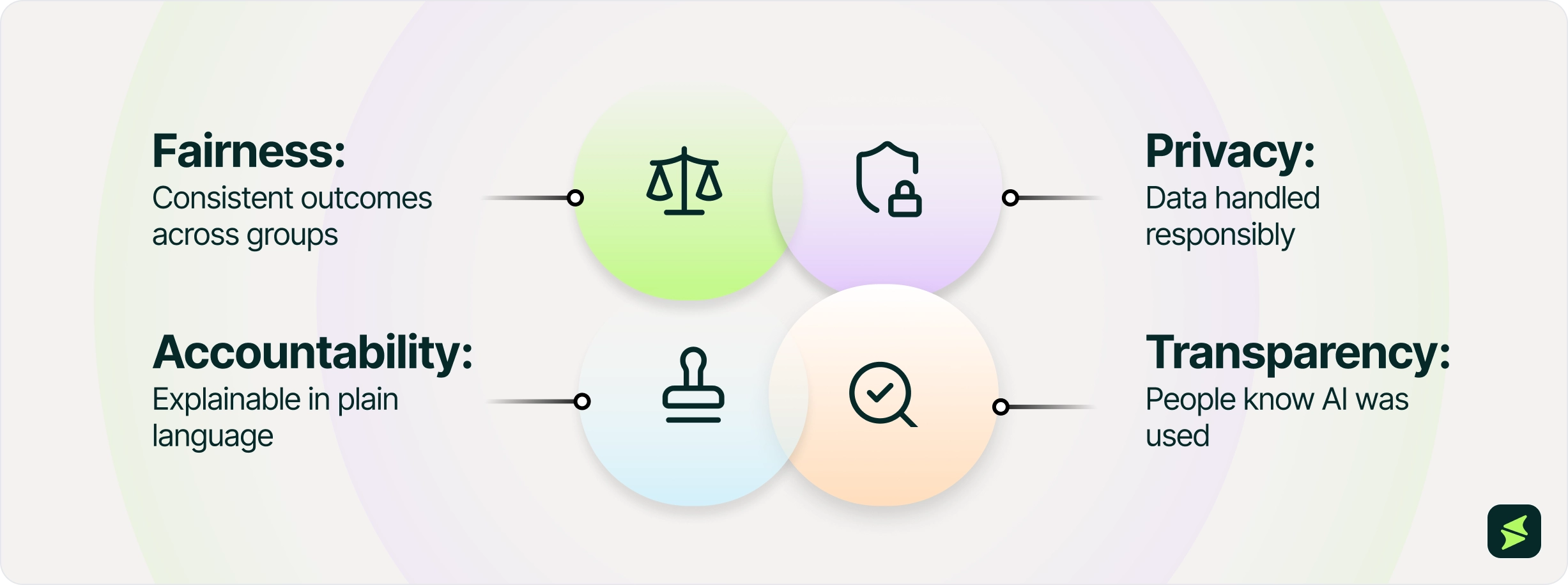
AI audit in HR isn't built around broad ethical ideals. It's built around governance principles that organizations can evaluate, document, and improve over time. While terminology varies, these four pillars consistently emerge as the foundation of responsible AI in HR:
None of these pillars are abstract. Each one maps directly to something a regulator, a judge, or a candidate's lawyer can put in front of you. The audit is how you make sure your answers are ready before that moment arrives.
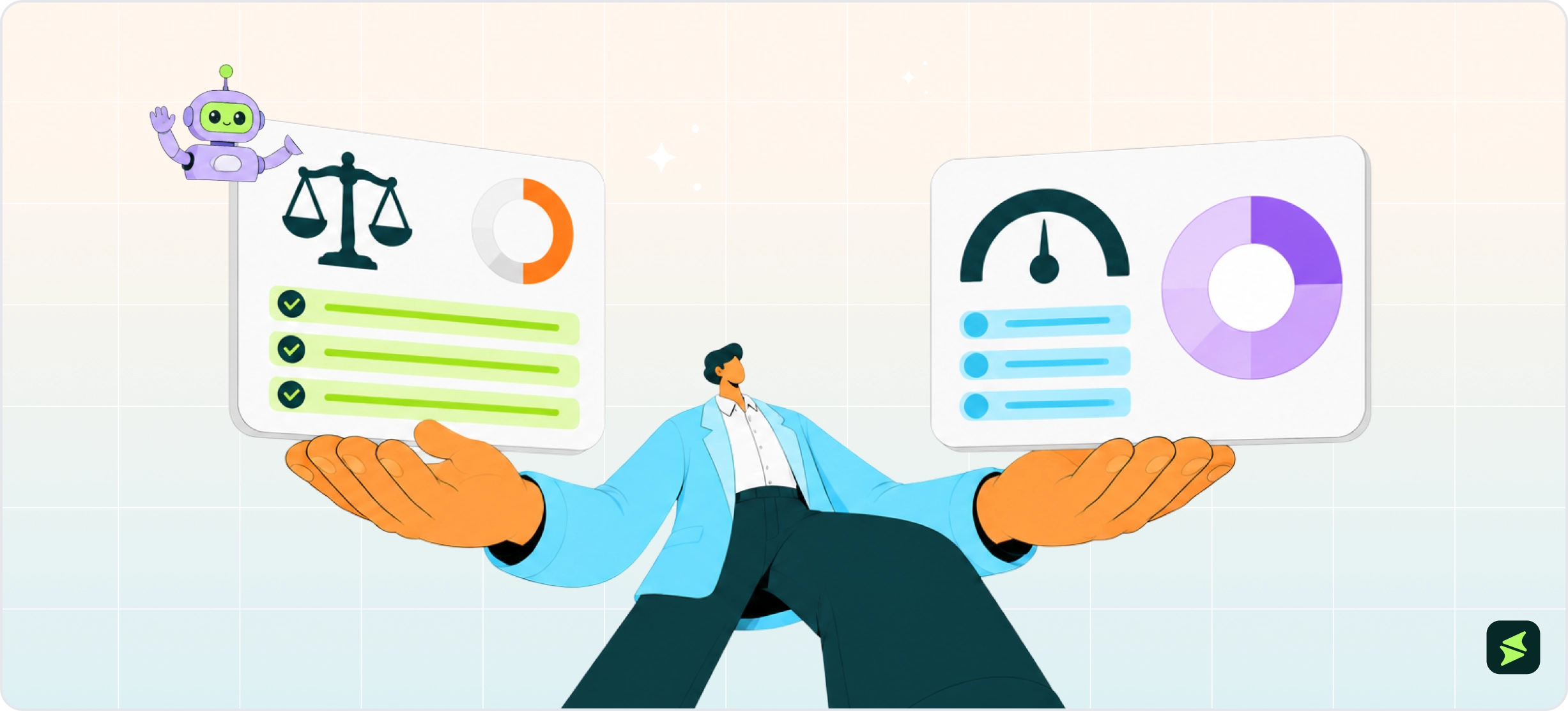
The terms AI bias audit and HR AI ethical audit are often used interchangeably, but they serve different purposes. Understanding the distinction helps organizations separate what is legally required from what is considered responsible AI governance.
An AI bias audit is a focused assessment that evaluates whether an AI system produces disproportionately different outcomes for protected groups, such as candidates of different genders, ages, races, or ethnicities. Its primary objective is to identify potential discrimination and demonstrate compliance with employment regulations.
For example, New York City's Local Law 144 requires employers using Automated Employment Decision Tools (AEDT) to conduct an independent, third-party bias audit before deployment and publish a summary of the results. These audits typically measure ‘Adverse Impact’ using established statistical methods, such as the EEOC's four-fifths rule, making them a compliance requirement rather than a broader governance exercise.
An HR AI ethical audit takes a much wider view. While it includes bias testing, it also evaluates whether AI systems are transparent, explainable, secure, privacy-conscious, and subject to meaningful human oversight.
In other words, an AI bias audit is one component of a broader HR AI ethical audit. Passing a bias audit may satisfy a specific legal obligation, but it does not necessarily demonstrate that an organization's AI systems are trustworthy, transparent, or responsibly governed.
The gap between "legally required" and "genuinely responsible" varies sharply depending on where your organization operates. The table below breaks down what's actually mandated, where, and what happens if you skip it.
Jurisdiction | Effective Date | Scope | Audit Requirement | Penalty | Notice Requirement |
|---|---|---|---|---|---|
NYC Local Law 144 | July 5, 2023 | Employers/employment agencies using Automated Employment Decision Tools (AEDTs) for hiring or promotion in NYC | Yes — independent third-party bias audit within 1 year prior to use; summary published publicly | $500 for first violation; $500–$1,500 for each subsequent violation; each day of non-compliant use is a separate violation | Yes — candidates notified before AEDT use |
Illinois HB 3773 (amends Illinois Human Rights Act) | January 1, 2026 | Illinois employers using AI in recruitment, hiring, promotion, discharge, discipline, or other covered employment decisions | No named "bias audit" mandate, but liability based on discriminatory effect, regardless of intent, creates practical pressure to test | Civil penalties of up to $5,000/violation, in addition to actual damages and attorneys’ fees through the IHRA enforcement process | Yes — employers must notify employees/applicants when AI is used |
Illinois AI Video Interview Act (820 ILCS 42) | January 1, 2020 | Employers using AI to analyze recorded video interviews | No — focused on consent/transparency, not bias measurement | Not specified with a fixed statutory figure in the original act — enforced through standard IHRA-adjacent remedies | Yes — written notice, plain-language explanation of how the AI works, and consent required before use |
Colorado SB 26-189 (replaces SB 24-205) | January 1, 2027 (enforcement contingent on AG rulemaking) | Developers/deployers of automated decision-making technology (ADMT) used in "consequential decisions," including employment | Narrower than original SB 24-205 — drops the mandatory algorithmic impact assessments in favor of a disclosure/transparency framework | Not yet finalized — Colorado AG has exclusive enforcement authority; rulemaking hasn't formally begun | Yes — advance notice and post-decision disclosures to consumers |
EU AI Act — employment provisions (Annex III, Category 4) | High-risk obligations deferred from August 2, 2026, to December 2, 2027 (Digital Omnibus formally enacted July 27, 2026) | AI is used in recruitment, candidate screening, promotion, termination, task allocation, and worker performance monitoring | Yes — risk management, bias testing, human oversight, and logging are required once the deadline hits | Up to €15 million or 3% of global turnover, whichever is higher | Yes — employers must inform workers before deploying a high-risk AI system |
Federal EEOC guidance status | AI-specific guidance removed from eeoc.gov January 27, 2025; not reinstated as of August 2026 | N/A — no current federal AI-specific rule; existing Title VII disparate-impact protections still apply to employment selection practices | No current federal AI-specific audit mandate | N/A at the federal level; state and local laws establish additional AI-specific requirements | N/A federally |
Every AI-powered HR use case carries a different level of ethical and legal risk depending on the decisions it supports, the data it processes, and the people it affects. The following examples and business scenarios illustrate where and why organizations should prioritize their audit efforts when dealing with AI-assisted HR management.
Imagine your recruitment team uses an automated resume screening software to shortlist candidates. The model learns from years of historical hiring data, where most successful hires happened to be men from a handful of universities. Without anyone intentionally programming bias, the AI begins favoring applicants with similar backgrounds while consistently ranking equally qualified women and candidates from other institutions lower.
The business may not notice the pattern until a bias audit or a discrimination lawsuit reveals that protected groups are being screened out disproportionately. This is precisely why recruitment remains one of the highest-risk applications of AI and one of the first areas regulators examine.
AI-powered performance management software can be used to summarize employee achievements and recommend promotion candidates. However, a skewed model can end up assigning greater weight to highly visible activities while undervaluing less visible but equally important contributions.
If managers treat such AI-generated scores as objective indicators of performance, this can result in consistently lower promotion recommendations for employees whose work patterns differ from the historical norm. An ethical AI audit, in this scenario, would test whether these recommendations remain fair, explainable, and subject to meaningful human review.
An organization deploys AI-driven employee monitoring software to monitor productivity by analyzing keyboard activity, application usage, and communication patterns. The system flags employees with lower digital activity as "disengaged," prompting managers to investigate or intervene.
However, the model fails to recognize employees whose work involves meetings, strategic planning, or offline collaboration. An ethical AI audit in this scenario would test whether the system accounts for different working styles, whether flagged employees get meaningful human review, and whether monitoring practices stay transparent to the people being tracked.
An AI-powered talent management system recommends training programs and internal job opportunities based on previous career paths. Employees from departments with historically limited promotion opportunities may receive fewer recommendations simply because the model has learned that similar employees rarely progressed.
An ethical audit in this domain of HR examines whether AI recommendations promote equitable access to development opportunities and whether historical workforce patterns are being replicated rather than challenged.
An AI HR assistant answers employee questions about leave, benefits, payroll, and company policies. Without an HR AI audit, the chatbot can provide inconsistent guidance about severance eligibility because the policy documents are simply outdated.
A well-structured HR AI ethical audit establishes governance controls to prevent these failures. It can require HR knowledge bases and policy documents to be reviewed and refreshed on a defined schedule (for example, every 12–24 months), or flag outdated content before it is used by AI systems.
The common thread across these use cases is simple: the greatest risks rarely come from AI making dramatic mistakes. They emerge gradually through biased data, poor governance, inadequate oversight, or misplaced trust in automated recommendations.
As Chris notes:
An HR AI ethical audit is designed to identify those risks before they become legal disputes, employee grievances, or reputational damage.
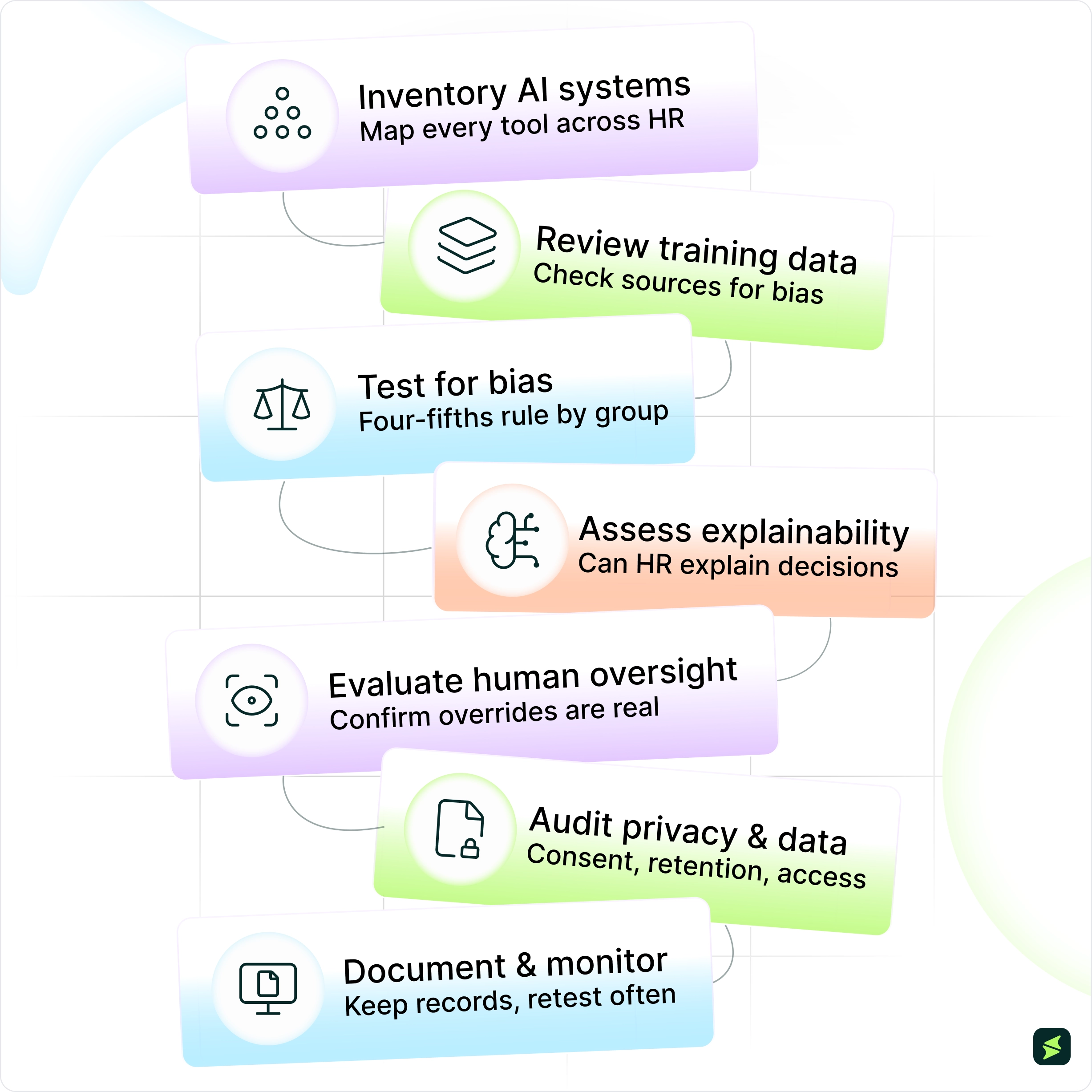
An effective HR AI ethical audit checklist shouldn't stop at testing whether an algorithm is biased or not. It evaluates the entire AI governance lifecycle, from understanding where AI is used to documenting how decisions are made and monitored over time.
Together, these seven components provide a practical framework for identifying legal, operational, and reputational risks before they affect employees or candidates.
The first step in an HR AI ethical audit is creating a complete inventory of every AI system used across the HR function. Organizations often focus on obvious tools like resume screeners but overlook AI capabilities embedded within Applicant Tracking Systems (ATS), HRIS software, learning management systems, performance management software, and employee monitoring tools.
The objective is to map every AI system, understand where it is used, what employment decision it influences, and who is accountable for it.
A comprehensive inventory should follow this checklist:
Chris also flagged Shadow AI as a growing blind spot and stressed the need for clear communication with employees about data safety. As he puts it:
AI systems learn from historical data. If that data reflects outdated hiring practices, incomplete employee records, or historical bias, the model may reproduce those patterns at scale. Reviewing the quality and origin of training data is therefore one of the most important stages of an ethical audit.
During this review, organizations should:
Bias testing is often the most scrutinized component of an HR AI audit because it directly relates to discrimination risk and lawsuits. Rather than relying solely on vendor assurances, organizations should independently evaluate whether AI-assisted decisions produce significantly different outcomes across protected groups. As Chris explains:
A rigorous bias assessment should:
An AI recommendation that cannot be explained is difficult to defend. HR professionals should be able to understand why a candidate was recommended, why an employee received a particular score, or why one applicant ranked above another. Explainability is essential for maintaining employee trust and demonstrating accountability during regulatory reviews.
This assessment should verify whether organizations can:
AI should support employment decisions, not replace human judgment. An ethical audit examines whether meaningful human oversight exists throughout high-impact HR processes and whether accountability remains clearly assigned.
Key review areas include:
HR AI systems process highly sensitive personal information, making privacy governance a core component of every ethical audit. Organizations must ensure employee and candidate data are collected, stored, shared, and retained responsibly throughout the AI lifecycle.
An effective privacy review should examine:
Documentation demonstrates that governance processes exist, decisions were reviewed appropriately, and identified risks were addressed. Without a reliable audit trail, organizations may struggle to defend their AI governance practices during regulatory investigations or legal disputes.
Your documentation checklist should include:
Together, these seven components transform an HR AI ethical audit from a one-time compliance exercise into an ongoing governance process. This helps organizations deploy AI responsibly while reducing legal, operational, and reputational risk.
A polished sales pitch isn't proof of a defensible AI system. Before purchasing an AI-powered HR platform, leaders should ask for documented evidence of how a vendor manages fairness, transparency, privacy, security, and regulatory risk. This 8-question list below helps procurement and HR teams separate vendors who can prove compliance from those who can only promise it:
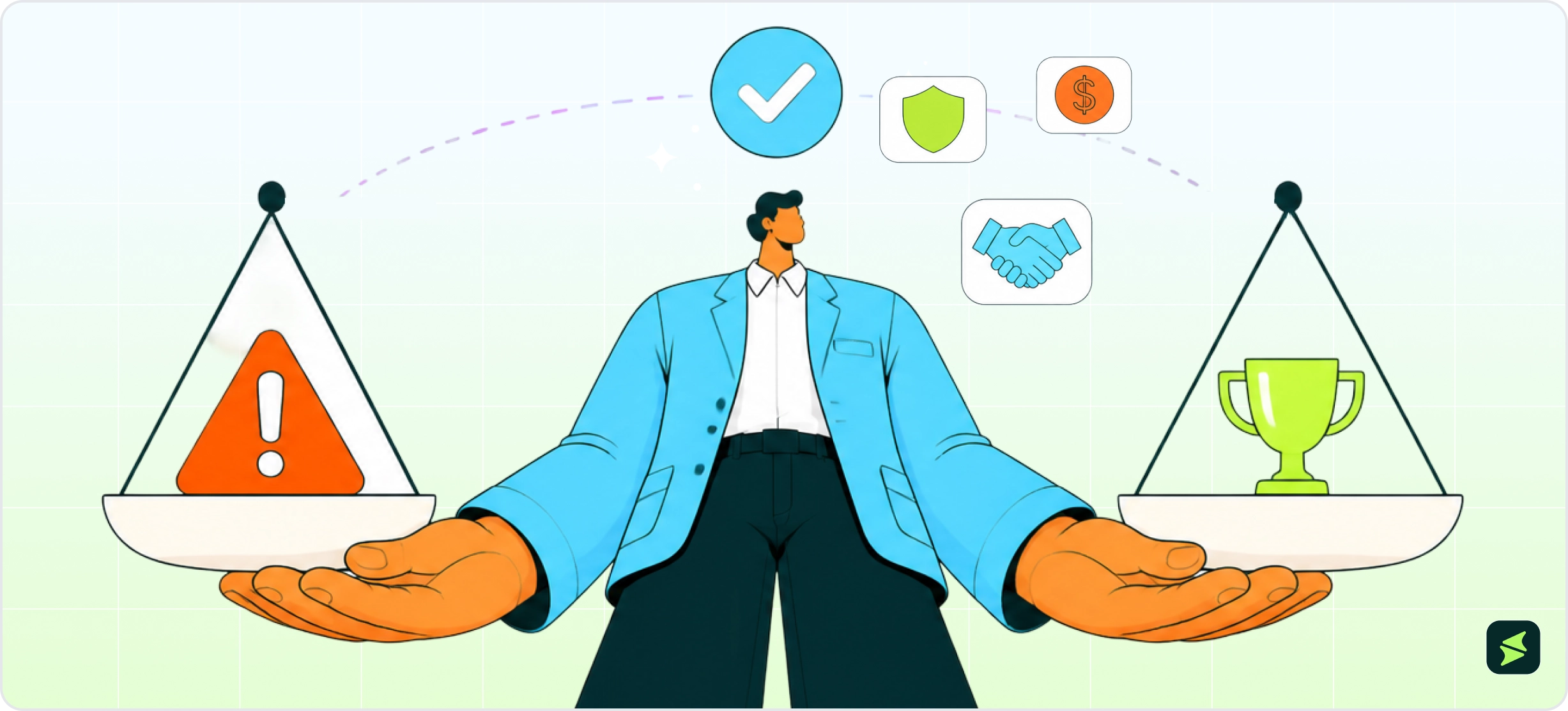
As AI continues to become embedded in almost every HR function, ethical audits are shifting from a compliance exercise to a business advantage. Organizations that audit AI proactively are better positioned to reduce legal risk, strengthen employee trust, and deploy AI with greater confidence. As Chris explains:
Regulators are treating discriminatory AI as a serious compliance issue. Under New York City's Local Law 144, employers who don’t complete the required bias audit can face penalties starting at $500/violation. In the UK, a breach of automated decision-making rights under UK GDPR can result in fines of up to £17.5 million or 4% of global turnover.
A structured ethical audit helps identify bias, document decision-making, and demonstrate that appropriate governance controls are in place before issues escalate into regulatory investigations or litigation.
PwC's 2026 AI Performance Study, based on a global survey of 1,217 senior executives across 25 sectors, found that 74% of AI's economic value is being captured by just 20% of organizations. The study covers AI adoption broadly, not HR specifically, but its governance findings apply directly. Companies with the strongest AI gains are 1.8x more likely to use AI within defined guardrails.
They are 1.7x more likely to have a Responsible AI framework and 1.5x more likely to have a cross-functional AI governance board. Their employees were also 2.1x as likely to trust AI outputs as employees at other organizations.
For HR teams, an HR AI ethical audit puts these governance principles into practice by evaluating whether AI systems have appropriate safeguards, defined guardrails, and meaningful human oversight.
Ethical audits don't just identify compliance gaps; they improve the quality of AI systems themselves. As AI models and the data they rely on evolve, ongoing audits can help HR teams verify that these systems continue to produce reliable results.
By testing AI outputs against defined performance and fairness criteria and reviewing where human oversight is needed, organizations can identify problems early and improve the quality of AI-assisted workforce decisions.
AI governance is quickly becoming a competitive differentiator. Organizations are increasingly treating ethical AI as part of good corporate governance rather than a standalone compliance obligation.
A 2025 analysis by governance research firm ISS-Corporate found that 24% of S&P 500 companies had formally disclosed AI frameworks and policies. This is still early, but it is a clear signal that formal AI governance is moving from a niche practice to a standard boardroom expectation among the largest companies.
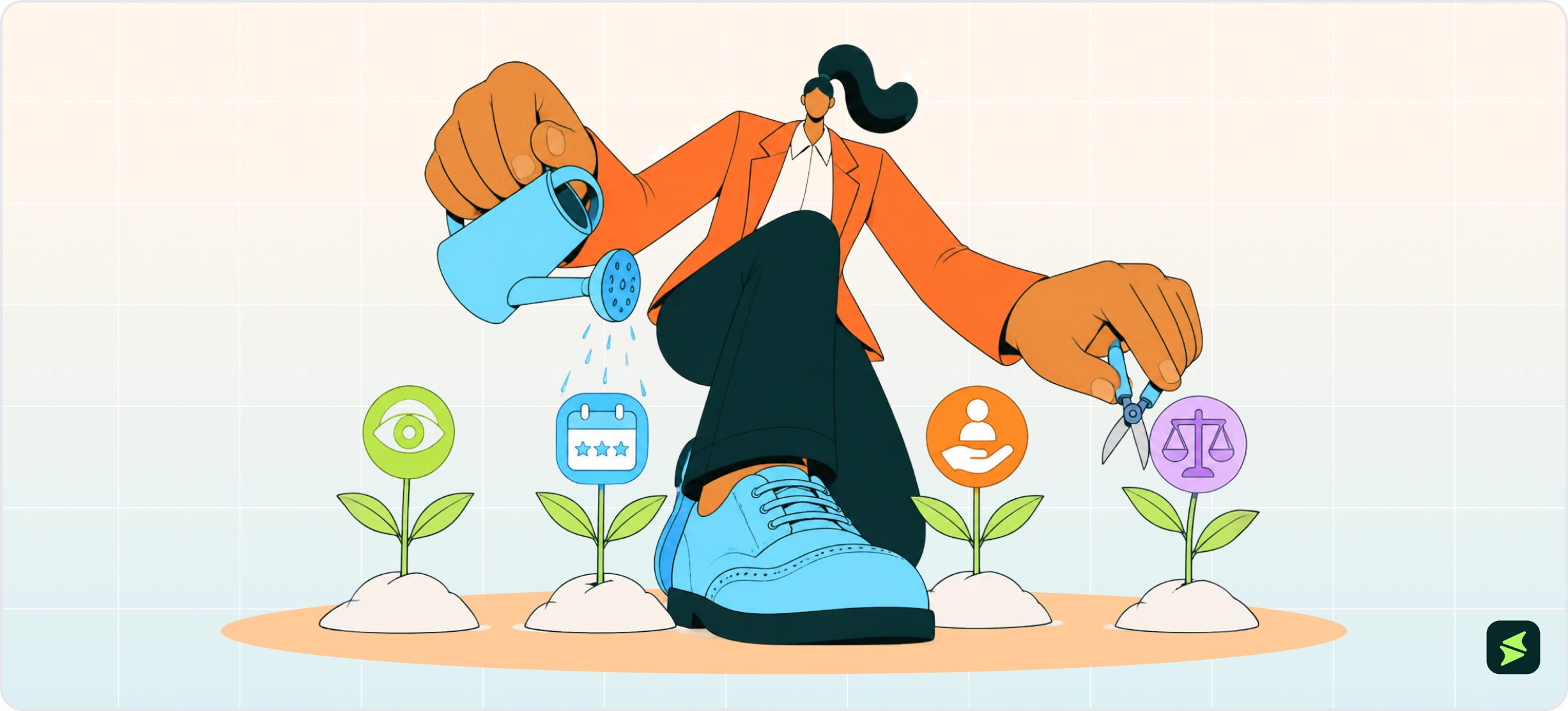
Building an ethical AI program doesn't end with a single audit. Organizations should establish governance practices that continuously monitor how AI systems operate. The following best practices can help maintain responsible AI use over time.
Test AI In A Controlled Sandbox Before Deployment: Before rolling out AI across the HR function, pilot it in a low-risk environment using synthetic or non-sensitive data wherever possible. Chris puts it this way:
Improve AI Literacy Across HR Teams: Train HR professionals to understand AI capabilities, limitations, bias risks, and privacy obligations. An informed workforce is better equipped to use AI safely, identify risks early, and exercise appropriate human judgment, a gap Chris highlights in the podcast
An HR AI ethical audit isn't a box to check once and file away. As the frameworks in this guide show, from the four pillars to the seven-step checklist to the patchwork of state, federal, and international law, the standard for "responsible AI in HR" is still being written in real time. What counts as compliant today may not be enough in twelve months.
That's exactly why the organizations getting this right aren't treating the audit as a finish line. They're building it into how they operate, reviewing systems on a schedule and staying honest about what they don't yet know. Chris sums it up best:
That's the posture this moment calls for: ownership, not certainty. The businesses willing to audit, question, and adjust their AI systems now are the ones that will be able to stand behind every employment decision those systems help make, whether the person asking is an employee, a regulator, or a court.


