






HR work can become tedious when you have to manage endless spreadsheets and monitor employee information alongside emails. As a result, majority of HR departments spend hours on repetitive tasks rather than focusing on people and performance.
An HRIS provides a more efficient way of dealing with HR responsibilities. It helps centralize all information about employees and streamline daily HR activities. This ties payroll, attendance, and performance on a single platform, saving time and minimizing errors while also increasing visibility for stakeholders.
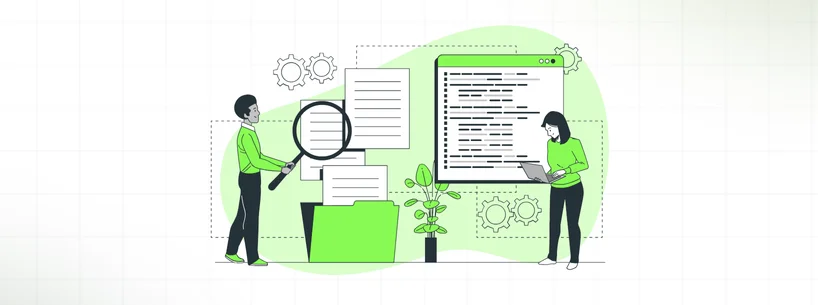
HRIS stands for Human Resource Information System. It is a tool employed to coordinate different HR operations within a single digital platform. Employee data is stored, tracked, and managed through the system to improve the way organizations conduct their daily HR tasks.
In practice, HRIS operates as a hub for all information regarding the employees. It uses automation, integration, and analytics to optimize workflows and provide real-time insights to make decisions.
Key functions include:
By connecting these elements, HRIS turns routine HR operations into more efficient and data-driven processes.

HR departments typically receive fragmented information about their employees and have to deal with duplications and spreadsheet errors. Besides, the management of payroll, attendance, and performance on their respective tools can be time taking and confusing. Such disjointed information can make reporting difficult and increase the probability of compliance discrepancies.
An HRIS solves these problems by placing all information regarding an employee in one secure database. This centralization results in accurate, consistent, updated, and easily accessible records. Automations further reduce the level of manual work that gives additional time to HR professionals, allowing them to focus on hiring, engagement, and retention.
The following core capabilities allow businesses to go by their daily operation efficiently using HRIS systems:
Understanding the types of HRIS can assist businesses in selecting a system that suits their size and objectives. Every model is for a particular purpose and helps at the various stages of business growth.
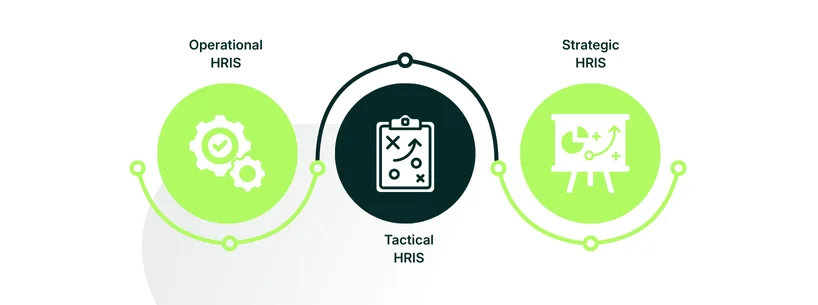
The most suitable option varies based on the size, needs, and long-term goals of your organization. Smaller businesses may benefit from operational or tactical HRIS solutions, while larger enterprises often choose strategic systems for deeper insights and analytics.

HRIS transforms HR data into intelligible insights and assists managers in making quicker decisions. Dashboards assist in tracking turnover, attendance, and performance trends in real-time. This visibility enables HR teams to identify problems at an early stage and make corresponding actions to enhance productivity and retention. Predictive analytics are also used to forecast hiring and employee needs that might require additional help or engagement.
By merging performance, payroll, and learning data, HRIS provides leaders with an overall picture of their workforce. These understandings inform budget planning, training, and staff planning.

HRIS software helps HR to be a strategic business partner rather than being stuck in manual work. It allows smarter, faster, and transparent decisions by automating and centralizing key business processes. HRIS helps establish the basis of an agile, development-oriented, and structured HR operations.