




Most law firms don’t fall behind because of complex cases; they fall behind due to the routine tasks that are not built to scale. For instance, they have to track billable hours manually or chase overdue invoices. These processes will make cash flow harder to predict and manage, while you will not be able to focus on serving your clients.
This blog outlines practical strategies to streamline these processes and help your firm operate with better control and clarity.

Effective management is the backbone of any successful law firm. With poorly organized workflows, management suffers the following consequences:
- Lower client satisfaction and retention
- Staff burnout and high turnover
- Missed deadlines and delayed cases
- Limits on firm scalability and growth
- Reduced revenue and lost billable hours
Conversely, firms that implement structured processes, leverage technology, and foster accountability operate more efficiently, enabling staff to focus on delivering quality legal services rather than managing administrative chaos.
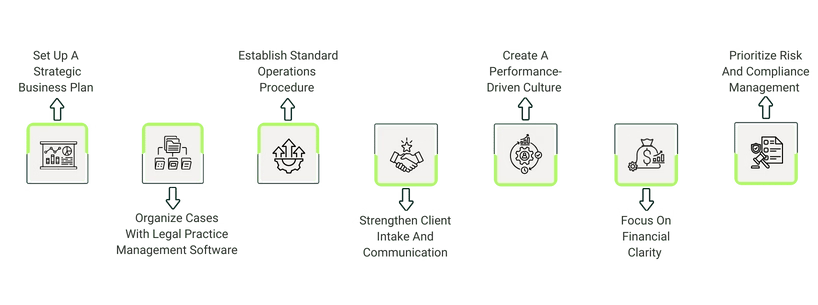
Tip 1: Set Up A Strategic Business Plan
Start with a clear business plan that outlines your goals, aligns your team, and provides a roadmap for growth. Here are certain core elements to include in the plan:
- Long-term vision for the firm
- Compensation structure to incentivize performance
- Clearly defined one-year and three-year targets for revenue, client acquisition, and expansion
To ensure your plan is practical and actionable, seek assistance from finance and marketing experts.
Tip 2: Organize Cases With Legal Practice Management Software
With the help of best legal practice management tools, your documents can be consolidated; workflows are optimized, resulting in minimized errors. These systems help you stay on track with deadlines, automate billing, and track client communication.
Top legal solutions that you can consider streamlining day-to-day operations are:
Tip 3: Establish Standard Operations Procedure
Having Standard Operating Procedures (SOPs) helps to define how certain tasks should be completed, creating uniformity and consistency. It also aligns your team with the same processes, so everyone is working toward the shared goals. Document these key areas:
- Client intake policies
- Time tracking practices
- Billing and invoicing procedures
- Document handling workflows
Tip 4: Strengthen Client Intake And Communication
A structured intake process directly impacts client satisfaction. Here's what you need to come up with an effective intake process:
- Client pre-screening procedures
- Engaging initial consultations
- Consistent follow-up communication
- Documented intake checklists
Automated intake forms and follow-up reminders can reduce response delays, which helps enhance client experience and retention.
Tip 5: Create A Performance-Driven Culture
Promote a culture of accountability and growth, which increases productivity and satisfaction. The following are some of the strategies to help achieve this:
- Performance-based bonuses and skill development incentives
- Leadership opportunities and mentorship programs
- Ongoing training and professional development
A motivated team delivers better client service and contributes to the firm’s long-term growth.
Tip 6: Focus On Financial Clarity
Maintaining a clear view of your finances is crucial for the growth of your law practice. Start by establishing transparent billing policies and tracking Key Performance Indicators (KPIs) to understand how your law firm accounting software is performing. Metrics you should monitor include:
- Profitability/matter
- Realization rate
- Utilization rate
Consider integrating accounting tools like QuickBooks to maintain consistency in how fees are calculated and charged to clients.
Tip 7: Prioritize Risk And Compliance Management
Proactive risk and compliance management protects client data, ensures regulatory adherence, and prevents operational disruptions. In this aspect, you can opt for the following factors:
- Monitor deadlines and task timelines
- Identify workflow bottlenecks
- Document key processes
This frees your team from administrative overhead so they can focus on client work and reduces the cash flow visibility problems mentioned earlier. Firms evaluating their options can start by comparing law practice management software with free plans to find a solution that fits their current needs and budget. Reducing this kind of operational risk is also one of the more overlooked ways to improve law firm profitability, fewer disruptions means more billable time protected.
Managing a law firm effectively requires a combination of strategic planning, financial oversight, clear processes, and the right technology. Legal practice management systems like Clio, Firm Central, and MyCase play a key role in streamlining workflows, automating routine tasks, and providing operational clarity. Start with small, high-impact changes, measure results, and gradually expand your strategies to transform your law firm into a more efficient, client-focused, and profitable practice.