


Reconciliation and tax compliance are the biggest challenges for e‑commerce sellers that don't use automated software. Manual bookkeeping not only drains valuable time from accounting firms but also increases the risk of costly errors. However, smart accounting software, such as Link My Books and Dext, solves these challenges for businesses. Both software follow different approaches to help firms tackle their taxation, VAT handling, and bookkeeping problems. This allows firms to focus on development activities.
In this guide, we will review Link My Books vs Dext exploring their unique features, pros, and cons, and analyzing their core offerings comparatively.
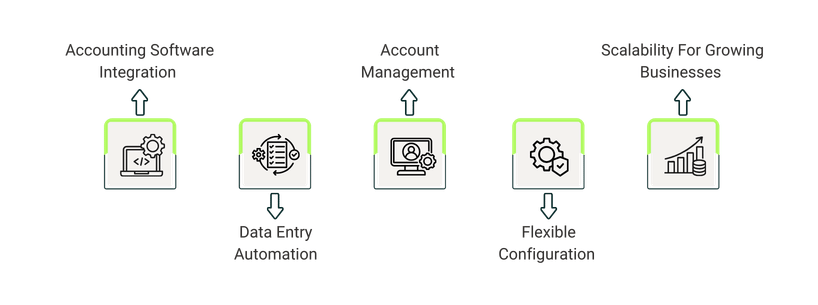
Feature | Link My Books | Dext |
Accounting Integration | Focused on Xero & QuickBooks, reconciles marketplace payouts | Connects to Xero, QuickBooks, plus 30+ platforms and 11,500+ banks |
Data Entry Automation | Converts marketplace sales, refunds, fees, and taxes into clean records | Extracts data from receipts, invoices, and bank statements automatically |
Account Management | Helps accountants manage multiple e‑commerce clients | Supports teams, firms, and businesses with multi‑user collaboration |
Flexible Configuration | Configures tax rates, accounts, and VAT compliance preferences | Supplier rules automate categorization and approval workflows |
Scalability | Handles high transaction volumes, multi‑location, and multi‑currency sellers | Flexible plans scale by document volume, suitable for small firms to large practices |

Link My Books is a purpose‑built accounting automation platform that serves e-commerce sellers. The software connects marketplaces such as Amazon, eBay, Etsy, and Shopify store directly with accounting systems like Xero and QuickBooks. Due to this, tax compliance becomes automated, and reconciliation becomes much more accurate, since less manual effort is required.
If you are running an e‑commerce business, Link My Books can automatically import sales, fees, refunds, and taxes into your accounting software. Other notable functionalities offered by this software include automated VAT product grouping, multi‑channel sales reconciliation, and offering financial analytics. Link My Books also offers a free trial and supports unlimited users across all plans.
Unique Features Of Link My Books
- Payout Reconciliation: Link My Books automatically reconcile marketplace payouts with accounting ledgers in Xero accounting solution or QuickBooks. This feature ensures that deposits match perfectly which not only reduces errors, but also saves accountants hours of manual reconciliation
- VAT Product Grouping: The software automatically groups products into their correct VAT categories and applies the right tax treatment to each. This ensures VAT returns are accurate, prevents overpayment, and protects profit margins for e‑commerce sellers
Pros And Cons Of Link My Books
Pros | Cons |
Simplifies reconciliation of eBay sales in Xero Handles VAT accurately, reducing manual effort Can account for multiple currencies and online marketplaces, ensuring usability | Manual eBay payouts may not sync automatically No option to customize reference field naming |

Dext By IRIS is a cloud‑based accounting automation platform that can simplify bookkeeping for small businesses. The software captures, processes, and organizes financial documents such as receipts, invoices, and bank statements, then integrates them directly into accounting systems like Xero, QuickBooks, and Sage.
Dext is primarily focused on data management and automation of expense-related functions. Other notable key functionalities offered by the software include supplier rules, multi‑currency support, real‑time expense categorization, and secure cloud storage for financial records. Dext also offers a mobile app that makes it easy to capture receipts on the go.
Unique Features Of Dext
- Receipt And Invoice Data Capture: Dext digitizes receipts, invoices, and bank statements through mobile scanning, email forwarding, or direct bank feeds. This essentially means that you do not have to update the relevant data manually
- Smart Supplier Rules: Users can set rules for categorization and approval of supplier invoices using this platform. This automatically results in consistent expense management across teams
- Broad Accounting Integrations And Bank Connections: Dext can integrate with 30+ accounting platforms and connect with over 11,500 financial institutions worldwide. This wide connectivity makes it suitable for diverse businesses and accounting firms managing multiple clients
Pros And Cons Of Dext
Pros | Cons |
Offers automation rules that save time on supplier setup Delivers excellent training resources for faster onboarding Integrates directly with accounting systems to automate data entry | Users report frequent errors in categorizing and tax handling May requires manual fixes by bookkeepers and accountants |
Link My Books offers custom pricing plans, depending on the number of orders and sales channels of a company. The vendor also offers a 14‑day free trial.
Dext offers one core business plan, excluding all applicable taxes, starting from $31.50/month (including 250 documents/month and 5 users). The prices increase when the number of users increases. The vendor also offers a free trial.
Disclaimer: The pricing is subject to change.
Link My Books is reliable for businesses that seek accurate VAT handling and quick reconciliation with Xero or QuickBooks. On the other hand, Dext is ideal for small to mid-sized companies that need quick document capture and multi-currency support across multiple entities.
The final selection is going to depend on your company’s type, operational needs, and budget range you have established. If you need help making a reliable choice, reach out to Software Finder’s representatives for informed guidance.