


Last Updated
Key Takeaways
Generated from the text of customer reviews
Our Verdict
Be the first one to leave a review!
No review found

Starting Price
Custom
UMAI Specifications
- Reservations And Booking
- Guest Management And CRM
- Reporting And Analytics
- Mobile Access And Contactless Services
What Is UMAI?
UMAI is a cloud-based system for handling restaurant reservations and table management. Restaurants and hotel dining teams can use it to keep bookings, table arrangements, and guest details together. The system also sends reservation reminders and confirmations, which can help with no-shows. Hotels and groups with several dining outlets can view reservations and performance across those locations through a central dashboard used by F&B teams.
What Is UMAI Best For?
UMAI stands out with its commission-free booking model, giving restaurants the option to take direct reservations without paying a fee for each booking. The reservation system can be customized to reflect the restaurant’s branding, while booking data stays with the business. This makes UMAI a strong fit for operators that depend on direct reservations and want to avoid the per-booking fees often charged by third-party platforms.
How Much Does UMAI Cost?
UMAI pricing starts at $80/venue/month. In addition to the base subscription costs, organizations should account for the following expenses:
- Additional Locations: May cost around $80–$350+/venue/month
- Initial Setup And Onboarding: May range from $0–$1,000 as a one-time cost
- Custom Integration Work: May add approximately $1,000–$5,000 or more
- Optional Add-Ons: May cost an additional $20–$100+/month
Disclaimer: Pricing references are based on publicly available third-party information and industry benchmarks. Actual costs may vary.
UMAI Integrations
The software supports integration with different systems and platforms, such as:
- Intercom
- Google Analytics
- Mailchimp software
- Pipedrive CRM
- Stripe
How Does UMAI Work?
UMAI takes teams through the reservation process from initial setup to ongoing performance review.
- Sign in to your UMAI account and open the management dashboard
- Add your dining outlets, table layouts, booking rules, and branded reservation pages
- Set table availability so guests can view open tables and make reservations online
- Handle bookings from the dashboard while allowing guests to change or cancel their reservations through self-service
- Set up booking confirmations and reminders to help reduce no-shows and manage cancellations
- Keep guest profiles and past reservation details together for easier reference
- Use UMAI’s reports and analytics to review bookings and dining performance
Who Is UMAI For?
UMAI is ideal for a wide range of hospitality businesses, including:
- Fine dining
- Traditional restaurants
- Bars
- Cafés
- Hospitality groups
UMAI Use Cases
Based on our review of UMAI's capabilities, we've identified key scenarios where the platform is a strong fit for hospitality operators:
Hotel F&B Teams Wanting Consistent Branding From Room Booking To Dining
Hotels that want their restaurant reservation experience to align with their broader brand can use UMAI's branded booking widgets for dining reservations. The widgets can be integrated with the hotel's website and branding, helping properties maintain a consistent experience when guests move from room bookings to restaurant reservations.
Restaurants And Hotel Outlets Reducing Revenue Lost To No-Shows
Restaurants dealing with recurring no-shows may find UMAI suitable for managing gaps in their reservation schedule. Its reservation workflow combines reminders and guest confirmations with waitlists and short-seating options. UMAI also cites a case where no-shows rate fell after a restaurant introduced its reservation and yield tools, although results will vary by venue.
Multi-Location Hospitality Groups Needing Fast Implementation Before Peak Season
Hospitality groups working toward a new outlet opening or busy season may consider UMAI when they need a reservation system in place quickly. Most restaurants can be up and running within a week with guidance from its onboarding team. This could make it relevant to operators working with shorter implementation timelines.
Groups Wanting Loyalty And CRM Tied Directly To Reservations
Restaurant and hotel groups that want guest relationships connected to reservation activity can use UMAI to build a fuller picture of returning diners. Guest profiles can include reservation history, preferences, spending, and visit frequency, while its loyalty tools support rewards for repeat dining. This fits groups looking to manage guest relationships across their dining operations rather than keeping reservation and loyalty data separate.
Is UMAI Right For You?
UMAI may be a suitable option for hospitality businesses that need reservation and table management as their dining operations grow. Its use across international hospitality markets and by brands such as Nobu and Hard Rock Cafe provides some indication of its ability to support larger dining operations. It is less suited to properties that need a complete hotel management system. Consider UMAI when restaurant and dining management are the main requirements rather than wider property administration.
Still doubtful if UMAI is the right fit for you? Get in touch at (661) 384-7070, and we will help you make an informed decision.
UMAI Features
Reservation Management
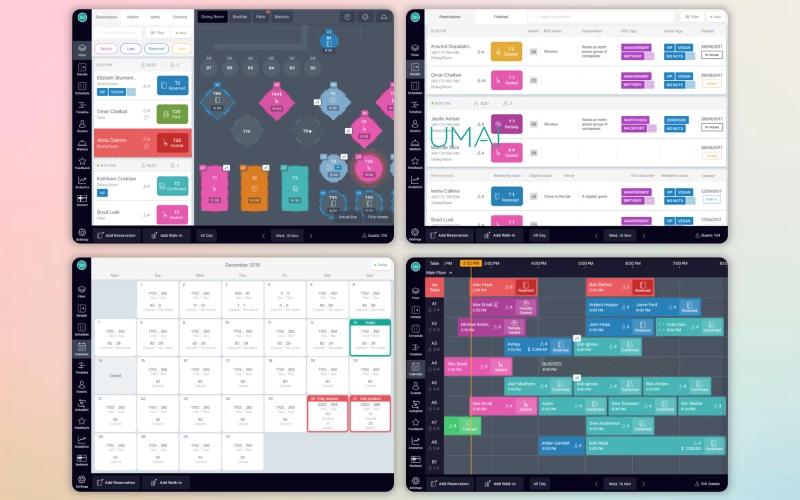
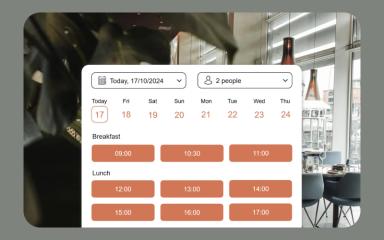
Restaurants can view table availability and upcoming reservations in UMAI. Guests can select seating areas, join a waitlist, or receive options for another outlet. Branded booking widgets can also be added to restaurant websites, with reservations recorded in UMAI.
Table Management
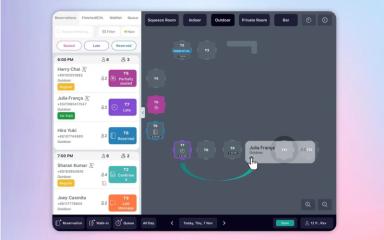
Teams can create floor plans based on the restaurant's seating layout. Staff can join tables, change estimated turn times, and set booking priorities based on seating needs. Reservations can also be moved to another table when changes occur during service.
Guest CRM And Loyalty
Guest profiles can store reservation history, preferences, spending details, and other customer information. Staff can refer to these records when reviewing previous visits or serving returning guests. UMAI also provides tools for setting up loyalty programs and tracking repeat visits.
Automated Marketing
Restaurants can create campaigns using information stored in guest profiles. Customers can be grouped by details such as spending or visiting frequency. Campaign reports provide information on engagement and reservations associated with those campaigns.
Analytics And Insights
UMAI includes reporting for reservations, guest activity, no-shows, and marketing campaigns. Teams can review booking patterns, compare new and returning guests, and examine campaign results. Reports can also be exported for use outside UMAI.
Pros And Cons of UMAI
Pros
Real‑time bookings and personalized seating boost revenue
Easy for first-time users to navigate during busy restaurant operations
Guest history gives staff useful context for returning diners
Unified guest feedback helps improve service quality
Queue tools notify guests instantly when ready
Cons
Integration with some POS systems might be smoother
Performance may slow slightly during peak hours
Some users would like more advanced data analysis options
UMAI Reviews

No reviews yet!
Be the first to review this product
Frequently Asked Questions
What types of pricing plans does UMAI offer?
UMAI is available starting at $80/venue/month. Get a detailed UMAI cost breakdown to make an informed decision.
What other apps does UMAI integrate with?
UMAI integrates with Stripe, Mailchimp, Pipedrive CRM, Google Analytics, and Intercom.
What language does UMAI support?
UMAI software supports English, Portuguese, Spanish, French, German, Danish, Estonian, Russian, Indonesian, and Vietnamese across 15+ countries.
Does UMAI offer an API?
Information about an API is currently unspecified by the vendor.
Does UMAI have a mobile app?
Yes, UMAI offers a mobile app.
Who are the typical users of UMAI?
UMAI features are used by fine dining restaurants, traditional restaurants, bars, nightclubs, cafés, and hospitality groups.
What level of support does UMAI offer?
UMAI offers support via email and live chat.