
Article
The Ultimate Guide To Remote Onboarding: Strategies For Success In 2026
9 mins read
Last Updated


By Rana Jazib Ali and


Article
9 mins read
Last Updated
By Rana Jazib Ali and

The evolving dynamics of work, in recent years, have led companies across the globe to invest in better, more organized, and remote-compliant onboarding systems. With remote onboarding, organizations are able to address the needs to a larger employee base, without the burden of in-person processes..
This guide provides you with a detailed, step-by-step roadmap that you can follow to make sure new hires remain engaged throughout the remote onboarding process. It also explains how new hires can be remotely introduced to company policies and delivery pipelines.

Simply put, remote onboarding is the comprehensive process of integrating a new employee into a company’s existing culture and workflows. Unlike in-office processes, remote onboardings rely on virtual communication processes. These include virtual meet-and-greet and online walkthroughs to make sure that all important information is accessible and digestible to the employee.
The goal here is to move away from simple paperwork and to focus more on cultural immersion, making sure that the new hire fits in.
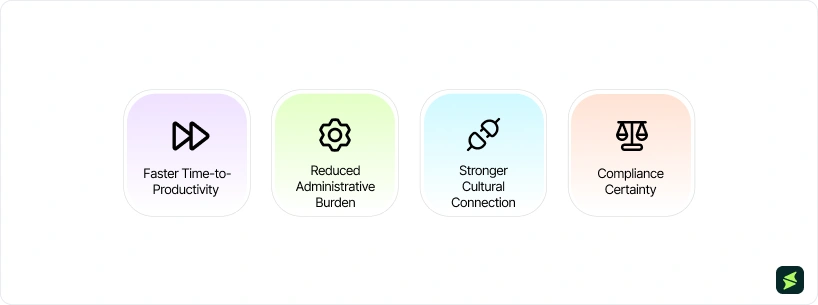
Investing in a remote onboarding experience for new hires can quickly yield benefits, including but not limited to:

Like every other part of the HR workflow, remote onboarding is a process that takes time. But for better understanding, it can be broken down into the following phases:
Every successful onboarding begins at the very moment the contract is signed. This preboarding phase is designed to get rid of first-day friction, and sees the employee go through the following steps:
Step One: Legal And Compliance Paperwork
Before the start date, employees are given access to a virtual HR portal that collects all necessary legal documents. This usually includes:
Step Two: IT Logistics And Asset Allocation
One big issue in remote onboarding is equipment delays. As a best practice, companies usually ship hardware and assign credentials that are needed for new hires to be ready for their role. This allows employees to be virtually tapped into company workflows 3-5 business days before the starting date for the contract.
This step also includes making sure the employee is properly equipped to start, which includes:
Step Three: Welcoming Roadmap
After assigning resources, managers usually send a “Welcome to the Team" email that includes a detailed schedule for the first week. This helps reduce common issues like confusion by giving them a map of what they’ll be doing.
This phase brings us to the actual start of an employee’s time with the company. The objective here is to make sure that the employees feel expected and welcomed. This phase can be broken down into:
Step One: The Virtual Kickoff
Schedule a face-to-face call within the first two hours to welcome them in. This session should focus on:
Step Two: The Buddy System
Assign an onboarding work buddy, usually an experienced peer who may or may not be in the direct reporting line as the employee. This buddy acts as a social guide, helping the new hire navigate workplace culture and chain-of-command for reporting issues and escalations.
The first week is the most important time in a new hire’s journey. This period shifts the focus of onboarding away from general orientation and walkthroughs to role-specific training and guidance. This step usually includes providing the employee:
Asynchronous Training Modules
To avoid fatigue with a single system like Zoom, teams should use asynchronous training modules. These modules allow the new hire to explore and digest information at their own pace.
Tool Training And Access Checks
Managers should make sure that the hire has full access to department-specific software and internal resources. Conducting short tech checks mid-week usually resolves any lingering permission issues and technical lags.
Virtual Social Integration
This includes hosting an informal chat where the new hire can explain their position, in relevance to the workflow. Managers should encourage hobbies, pets, or travel stories, which allow teams to build social bonds that aren't tied to work tasks.
This is the part that takes a bit of time. HR managers should maintain a structured roadmap for the first three months of an employee’s time at a company.
Step One: The 30-Day Milestone
Step Two: The 60-Day Milestone
Step Three: The 90-Day Milestone
Disclaimer: While having a 30-60-90-day check-in is usually a standard practice, this remote employee onboarding checklist can be different based on different company policies and preferences.
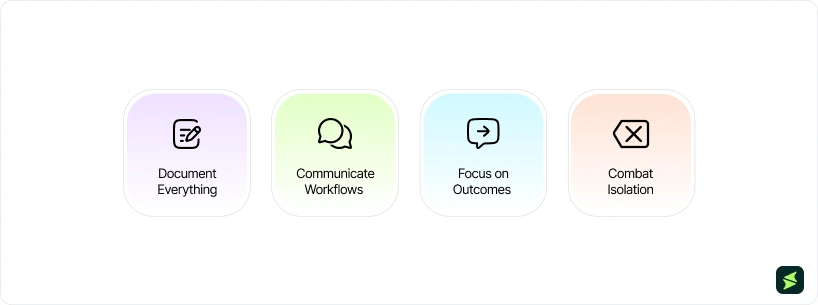
To make onboarding remote employees easier, HR teams should consider the following remote onboarding best practices:
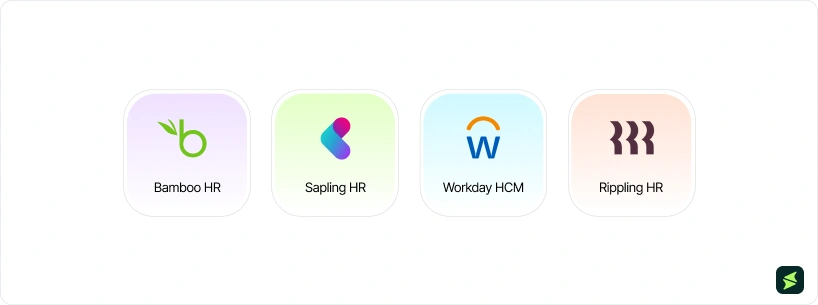
Manual processes in remote onboarding can quickly become a drag. That is why HR teams should consider remote employee onboarding tools that automate logistics and tracking. Some of the best options on the market include:
We understand that remote onboarding is a very important investment for companies, to make when it comes to onboarding new hires, on limited resources. The job market is way too competitive now for companies to spend time on physical onboarding workflows. By choosing digital systems that support remote onboarding, rather than manual checklists, traditional on-site orientations, and walkthroughs, teams can capture a much larger pool of employees.
To speed up their onboarding workflows, companies should consider implementing Automated onboarding tools that support remote onboarding processes.