

Last Updated

Overview
PEMS is an integrated construction management tool that boosts profitability by connecting planning, finance, and project delivery. Though it lacks an API for integration with other tools, its strong forecasting and margin-tracking features make it a top choice for financially driven construction firms.
Be the first one to leave a review!
No review found

Starting Price
Custom
PEMS Specifications
- Budget Management
- Reporting And Analytics
- Project Planning and Scheduling
- Project Cost Estimation
What Is PEMS?
PEMS software is designed for general contractors and project owners looking to improve financial control and project oversight. The unique approach offered by the software focuses on tracking high-level deliverables and work packages rather than thousands of granular tasks, which is a common pain point with other tools. PEMS features help businesses mitigate claims, improve operational efficiency, and gain clear, actionable insights into project profitability from start to finish by integrating cost estimating and performance measurement.
PEMS Pricing
The vendor offers the following three PEMS price plans along with a 30-days free trial:
- Starter: $99/user/month
- Professional: $249/user/month
- Enterprise: Custom Pricing
Disclaimer: The pricing is subject to change.
PEMS Integrations
The software supports integration with key third-party systems, such as:
Who Is PEMS For?
PEMS is designed for a wide range of users across various sectors, including:
- Design and build contractors
- Project owners
- Engineering consultants
- Construction consultants
Is PEMS Right For You?
PEMS is an excellent fit for construction firms that prioritize an effective methodology-driven approach to project controls. The standout capability of the platform is the deliverable-based tracking system, which provides unmatched financial clarity and performance measurement. This unique combination of PEMS software tools and methodology makes it a powerful choice for improving project profitability and predictability.
Still doubtful if PEMS is the right fit for you? Connect with our customer support staff at (661) 384-7070 for further guidance.
PEMS Features
Deliverable Tracking
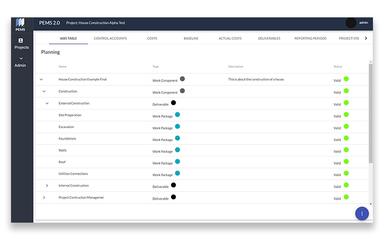
The system tracks project progress by monitoring the completion of deliverables and work packages. This approach shifts the focus away from a large number of individual tasks. This method allows for a clear determination of a project's physical progress.
Cost And Completion Forecasting
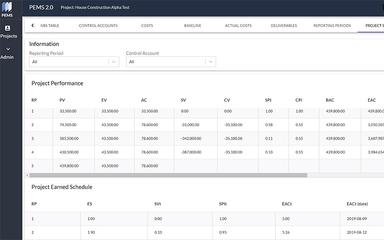
PEMS forecasts a project's final cost and completion date. It employs established techniques like earned value and earned schedule to generate these predictions. The system bases these forecasts on the project's completion percentage during each reporting period.
Integrated Construction Project Management Software
PEMS integrates the primary components of a construction project. The system combines project planning, financial data, and the physical completion of work packages. This integration may improve transparency and consistency, which helps reduce change orders and track costs.
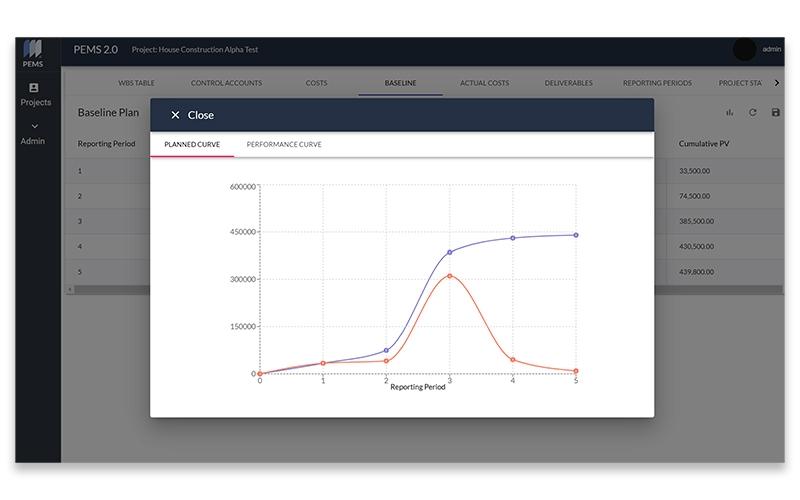
Performance Baseline Creation
The software creates a project's performance baseline. It accomplishes this by combining the project scope, its work breakdown structure, and the work plan schedule with estimated costs. This baseline provides a reference point for measuring performance against the project's goals.
Pros And Cons of PEMS
Pros
Manages the entire project lifecycle, from scope definition to close-out
Provides comprehensive reporting and forecasting tools for data-driven decisions
Improves profitability and margin tracking with a deliverable-focused approach
Cons
Customization for specific project needs may require additional configuration
The customer support can be improved for quick resolution of blockers
PEMS Reviews

No reviews yet!
Be the first to review this product
Frequently Asked Questions
Does PEMS offer an API?
Information regarding the API availability has not been provided by the vendor.
What language does PEMS support?
PEMS currently supports the English language.
What other apps does PEMS integrate with?
PEMS integrates with Microsoft Excel and Microsoft Project to import and manage project data.
Does PEMS have a mobile app?
No, the software doesn’t offer a dedicated mobile app.
Who are the typical users of PEMS?
The typical users of PEMS include project owners, design and build contractors, and engineering and construction consultants.
What level of support does PEMS offer?
PEMS provides support through a support form and phone.
What types of pricing plans does PEMS offer?
PEMS price structure includes a Starter plan at $99/user/month, a Professional plan at $249/user/month, and a custom-priced Enterprise plan. Moreover, it also offers a 30-day free trial. Request a personalized PEMS cost estimate based on your business needs.