

RPM Healthcare
Last Updated
Overview
RPM Healthcare simplifies remote patient monitoring with data tracking and telemedicine tools. It offers real-time insights and personalized communication to improve patient outcomes. Although device connectivity issues can occasionally arise, its continuous health monitoring ensures timely medical interventions for chronic conditions.
Be the first one to leave a review!
No review found

Starting Price
Custom
RPM Healthcare Specifications
- Appointment Management/Scheduling
- e-Prescriptions
- Lab Integration
- Patient Portal
RPM Healthcare Features
Telemedicine
RPM telemedicine services enable healthcare providers to conduct virtual consultations, improving patient access to care and reducing the need for in-person visits. It enhances patient convenience and safety. Additionally, RPM telehealth ensures continuity of care by allowing real-time interactions between patients and their healthcare providers.
Patient Enrollment
The platform streamlines the patient enrollment process, making it easier for healthcare providers to onboard new patients and manage their information. It helps maintain accurate records and initiate timely care. Moreover, the simplified enrollment process minimizes administrative burdens, allowing staff to focus more on patient care.
Device Management
This feature allows providers to manage and monitor medical devices remotely, ensuring patients have the necessary equipment for their care. It improves the accuracy of data collection, supporting better patient outcomes. The system also helps address any device-related issues, ensuring seamless patient monitoring.
Remote Patient Monitoring
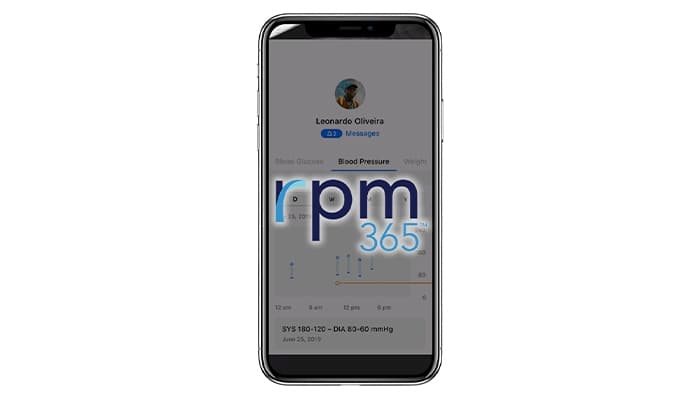
RPM remote patient monitoring enables continuous tracking of patient health data, allowing providers to intervene early and manage chronic conditions more effectively. It improves patient outcomes and reduces hospital readmissions. The constant RPM monitoring ensures that any health anomalies are detected efficiently, facilitating timely medical intervention.
Pros And Cons of RPM Healthcare
Pros
Tracks healthcare data
Remote care through virtual consultations
Assign and track tasks to enhance workflow and coordination
Detailed analytics provide valuable insights into patient health trends and practice performance
Cons
Lacks medical billing features
Customization options can be improved
Certain devices may experience connectivity issues
RPM Healthcare Reviews

No reviews yet!
Be the first to review this product
Frequently Asked Questions
What level of support does RPM Healthcare offer?
The software offers several support options, including phone and email.
Who are the typical users of RPM Healthcare?
Typical users of the RPM Healthcare platform include individual practices, population health, behavioral health, group practices, and Accountable Care Organizations (ACOs).
What languages does RPM Healthcare support?
The platform supports the English language.
Does RPM Healthcare support mobile devices?
Yes, it supports mobile devices.
Does RPM Healthcare have an app?
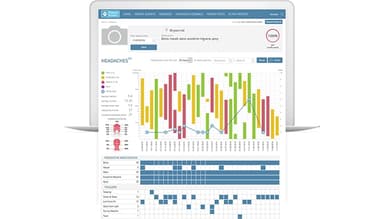
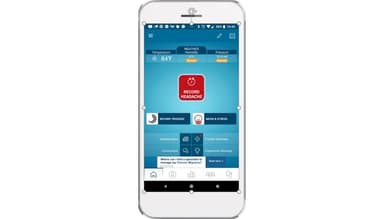
Yes, the software has several apps to help practitioners track patient conditions efficiently. It offers apps for monitoring migraines, RA, Psoriasis, and ITP.
What type of pricing plans does RPM Healthcare offer?
The software offers various pricing plans, including: Patient Monitoring – CPT Code 99453 ($20), Monthly Data Transmission – CPT Code 99454 ($48), Monthly Monitoring – CPT Code 99457 ($50), Monthly Monitoring – CPT Code 99458 ($40), and Monthly Monitoring – CPT Code 99091 ($54). Get a custom pricing quote.
Is RPM Healthcare free?
No, it is not free and comes up for pricing.
What other apps does RPM Healthcare integrate with?
RPM monitoring integrates with Epic and athenahealth.
Does RPM Healthcare offer an API?
No, it does not offer an API to its users.