Last Updated

Key Takeaways

Generated from the text of customer reviews

Teladoc Health is virtual care software for hospitals and health systems. It is primarily used by clinical and nursing teams, while rural or short-staffed hospitals benefit the most from it. Reviewers praise easy access to care but report prescription and support issues. Teladoc recently launched Teladoc One to unify virtual care, benefits, and patient experiences across services.

Our Verdict

Teladoc software fits larger hospitals and health systems consolidating several virtual care programs onto one platform. It works best for organizations with dedicated IT support and multiple sites to manage. Enterprise pricing stays custom rather than published, fair for large buyers but harder to compare.

Teladoc Health Specifications

  • Appointment Management/Scheduling
  • e-Prescriptions
  • Compliance Tracking
  • Customizable Forms/Reports

What Is Teladoc Software?

Teladoc Health provides virtual care software built for hospitals and health systems to manage clinical care remotely. It is not just a single-purpose video-visit tool. The platform is designed to support healthcare organizations ranging from 25-bed critical access hospitals to 1,000-bed academic medical centers within the same system. 

The software has built-in AI support that assists care teams during a visit, and it connects with a hospital's existing IT systems instead of replacing what is already there. It also tracks how virtual care programs are performing across departments, so hospital leadership can see where the technology is being used. 

What Is Teladoc Health Best For? 

Teladoc Health's Solo platform is best suited for hospitals that want several virtual care programs running on one device. A single Solo unit supports virtual nursing, virtual sitting, telestroke consults, and AI monitoring together. So, a health system is not managing four separate vendor relationships for four different needs. That setup fits larger systems running multiple inpatient units, where one platform replaces redundant hardware and licensing. 

How Much Does Teladoc Software Cost? 

Teladoc Health pricing starts at $89/visit for 24/7 Urgent Care and Nutrition services. Dermatology reviews are priced at $89, while Mental Health visits start at $119 for individuals without insurance. For users with eligible insurance coverage, visit costs can start at $0, depending on their health plan. 

Beyond the base fee, users should consider the following additional costs:

  • Implementation And Setup Fees: $5,000–$50,000+ one-time for configuration, onboarding, and workflow setup.
  • EHR Integration Costs: $10,000–$100,000+ for connecting with existing healthcare IT systems and patient records
  • Customization And Branding Fees: $10,000–$75,000+ for tailored workflows and branded patient experiences
  • Provider Network / Specialist Access Fees: Variable usage-based or contract fees for specialist and clinical network access
  • Training And Onboarding Services: $1,000–$20,000+ for staff training and platform adoption support
  • Data Analytics And Reporting Add-ons: $5,000–$30,000/year for advanced reporting and healthcare insights
  • API And Third-Party Integration Costs: $5,000–$50,000+ for connecting devices, apps, and external systems
Reach out for a personalized Teladoc Health pricing quote

Disclaimer: The pricing is subject to change. 

Teladoc Software Integrations 

Teladoc software integrates with health systems’ existing technologies, like smartwatches, fitness trackers, and EHR software. It also integrated with the following platforms: 

  • Microsoft Teams
  • Livongo Connected Blood Glucose Meters
  • Apple Health

How Does Tealdoc Software Work? 

Once a hospital is set up on Teladoc Health, here is what using the platform typically looks like day to day: 

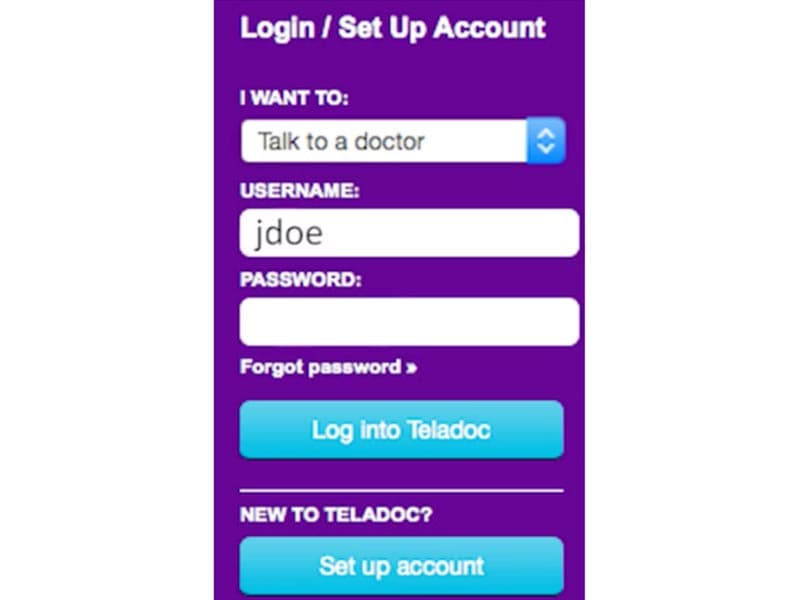
  • Log in with your Teladoc Health credentials to reach the dashboard
  • Connect a device to the patient room for virtual nursing, virtual sitting, or a specialist consult
  • Launch the visit and pull up the patient's record through the existing EHR connection
  • Monitor the patient in real time as Clarity flags fall risk and other clinical signals
  • Document the visit automatically as Clarity records details during the consult
  • Coordinate with bedside staff through the shared patient view so both teams see the same information
  • Review usage and performance data for virtual care programs across the health system
You can also watch a free Teladoc Health demo to see these features in action. 

Who Is Teladoc Software For? 

Teladoc’s enterprise virtual care platform is suitable for hospitals and health systems of all sizes. It is used across a variety of specialties in both inpatient and outpatient settings, including: 

  • Mental health
  • Primary care
  • Specialty care
  • Dermatology

Teladoc Software Use Cases 

Based on our analysis of user reviews and Teladoc Health features, here are the scenarios where the platform tends to be the strongest fit: 

  1. Rural Hospitals With Limited Specialist Coverage 

A rural emergency department can wait hours for a neurologist, and every lost minute affects stroke recovery. Teladoc's telestroke service connects emergency staff with remote specialists within minutes of arrival. For hospitals in similar staffing binds, that kind of on-demand specialist reach can change treatment timelines. 

  1. Health Systems Working To Reduce Nurse Workload 

Teladoc Health's virtual nursing program moves administrative tasks like admissions and discharge education off the bedside team. Saint Luke's Health System in Kansas City used a virtual nursing unit for exactly that. Its chief nursing executive reported gains in patient satisfaction afterward. Freeing bedside nurses from paperwork leaves more time for direct patient care.

  1. Hospitals Looking To Improve Patient Fall Prevention 

Continuous one-to-one bedside sitting is expensive, and many hospitals can't staff it for every at-risk patient. Teladoc's virtual sitting feature lets one remote monitor watch several rooms at once. Alerts go to bedside staff the moment a patient tries to get up unsupervised. Hospitals using this approach can expect fewer falls and more savings on unreimbursed sitter costs. 

  1. Large Health Systems Managing Multiple Virtual Care Tools 

Many hospitals run separate applications for virtual nursing, sitting, and specialist consults, each with its own device. That kind of vendor sprawl adds cost and complexity for IT teams managing dozens of systems at once. Teladoc positions its platform as an alternative, running several of these programs on one shared device instead. For a large health system managing multiple point solutions already, that consolidation could be a strong fit. 

  1. Health Systems Expanding Specialty Access To Specialty Care 

Smaller or rural facilities often can't justify a full-time specialist in every department. Patients end up referred out instead. Teladoc's platform lets a health system add specialty programs incrementally, starting with one and expanding over time. This kind of scaling suits systems that want to test virtual care in one department before expanding further. 

Is Teladoc Software Right For You? 

If you are expanding virtual care across multiple hospitals, departments, or specialties, Teladoc Health's Solo platform can be a good fit. It provides a single environment to manage those programs. This can help health systems maintain consistent workflows as services grow.

Teladoc holds an active HITRUST certification and SOC 2 Type II compliance. Moreover, health systems such as Northwell Health, New York's largest health care provider, and the six-hospital Valley Health network have deployed Teladoc's platform across multiple facilities.

Recent policy changes make this a good time for hospitals to look closely at inpatient virtual care. The federal government extended Medicare telehealth flexibilities through December 2027 and permanently removed frequency limits on telehealth consultations for inpatient and skilled nursing facility patients. Since Teladoc's platform is built specifically for inpatient and emergency department programs such as telestroke and virtual nursing, hospitals expanding these programs can now operate within a wider billing framework than before. 

Still unsure if Teladoc software is right for you? Get in touch at (661) 384-7070, and we will help you make the right decision.

Teladoc Health Features

Specialist And Behavioral Health Consults

A hospital can bring in a remote specialist mid-visit for services such as neonatology or behavioral health. The consult runs through the same platform used for other virtual programs in that unit, so staff are not switching between different applications. Smaller or rural hospitals lean on this most, since staffing every specialty in person usually isn't realistic.

See How It Works
Virtual Care Platform

Tealdoc offers a virtual care platform, so every Solo deployment includes managed services and round-the-clock technical support delivered directly by Teladoc's own clinical and IT teams. That support covers the platform itself, so hospital IT staff are not the only ones handling an issue that comes up overnight. This matters most for hospitals without a large in-house technical team to cover off-hours problems.

See How It Works
Outpatient And Ambulatory Visits

Solo is not limited to inpatient units. It also supports scheduled virtual visits in ambulatory clinics. It extends the same platform to outpatient care instead of running a separate system for it. A patient can have a follow-up appointment through the same infrastructure the hospital already uses for inpatient consults. This lets smaller clinics add virtual visits without adopting an entirely different vendor.

See How It Works
Solo Device Family

Teladoc builds its own hardware for these programs. Solo Pro is a room-based device built for full-room coverage. Solo ProCart is a mobile, cart-based version for units that need to move equipment between rooms. Solo Viewpoint takes a different approach, turning an existing Windows or iOS device into a virtual care access point instead of requiring new hardware. Hospitals piloting a new program often start with Viewpoint before investing in dedicated devices.

See How It Works

Pros And Cons of Teladoc Health

Pros

  • Quick access to virtual medical consultations

  • Convenient for non-urgent healthcare needs

  • Easy appointment scheduling process

  • User-friendly mobile and web experience

Cons

  • Follow-up options can feel restrictive

  • Diagnostic capabilities are sometimes limited

Teladoc Health Reviews

Total 7 reviews

3.6

All reviews are from verified customers

Rating Distribution

5

Stars

57%

4

Stars

0%

3

Stars

14%

2

Stars

0%

1

Stars

29%

Share your experience

A

Andre

Retail, 500+ employees

More than a year

5.0
June 2024

quick, easy, and reliable

Pros

I like that I can use it through the app or website. It saves time, eliminates hassle, cuts down on fuel use and helps prevent the spread of infections.

Cons

So far, I haven't really found anything to complain about.

Rating Distribution

Ease of use

9

Value for money

8

Customer Support

8

Functionality

9

M

Morayma

Healthcare, 500+ employees

Less than 6 months

1.0
March 2024

Do not use TELADOC

Pros

Scheduling appointments is very easy and smooth with this software.

Cons

The make mistakes with prescriptions and do not follow up on those mistakes so you do not get your medication and have to suffer because of it

Rating Distribution

Ease of use

2

Value for money

2

Customer Support

2

Functionality

2

A

Anonymous

Healthcare, 500+ employees

Less than 6 months

1.0
February 2024

Terrible and Useless Service

Pros

The first customer service representative I spoke to was very kind and understanding.

Cons

Everything, pricier than other services and does not even help and will lie to you.

Rating Distribution

Ease of use

2

Value for money

2

Customer Support

2

Functionality

2

Frequently Asked Questions

Does Teladoc software offer an API?

No, it doesn’t offer an API.

Does Teladoc software have a mobile app?

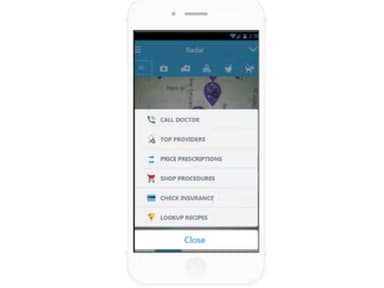
Yes, Teladoc software offers a mobile app for both iOS and Android.

What languages does Teladoc software support?

Teladoc Health provides multilingual services with interpreter support for patients with limited English proficiency. Some of these include English, Chinese, French, German, and Hindi, among others.

What types of pricing plans does Teladoc software offer?

Teladoc Health cost varies by service and insurance coverage. Self-pay visits start at $89, while eligible insured members may pay as little as $0. Contact us for a detailed Teladoc Health cost breakdown.

What other apps does Teladoc software integrate with?

Teladoc Health integrates with EHR software, Microsoft Teams, Apple Health, smartwatches, fitness trackers, and Livongo connected devices.

Who are the typical users of Teladoc software?

Teladoc Health is designed for hospitals and health systems delivering inpatient, outpatient, primary, specialty, dermatology, and mental healthcare.

What level of support does Teladoc software offer?

The software provides global customer support through phone, email, and regional support centers.